

The Best Design-Led Cabins in the Catskills


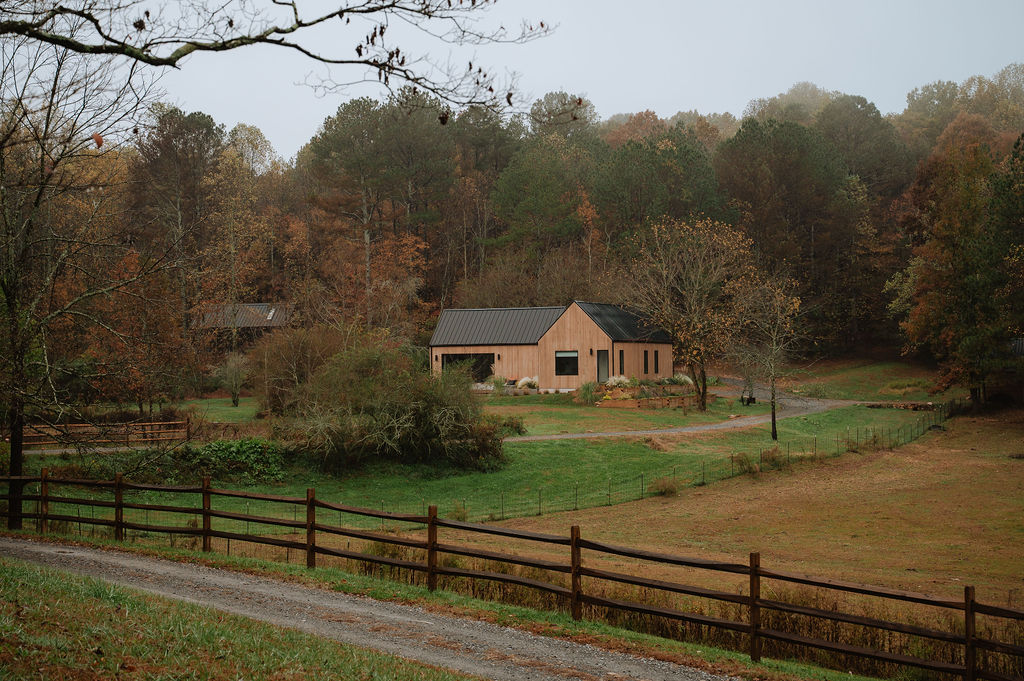
The Catskills cabin has become something of a cultural object over the past decade — shorthand, in certain circles, for a particular kind of considered retreat: the dark-stained exterior against white birch woods, a woodstove pulling warmth through the room, bookshelves that reveal their owner’s sensibility before a word has been exchanged.
The category has been romanticised, and like most things romanticised, it has attracted a fair amount of imitation alongside the genuine article.
This edit is concerned only with the genuine article: cabins chosen for architectural intention, for a real relationship with their landscape, and for owners who have thought carefully about what it means to offer a home in the mountains rather than simply a property in a desirable postcode.
All are bookable directly — without platform fees — through their owners.
What Makes a Catskills Cabin Worth Staying In
The word “cabin” in the Catskills covers a wide range.
At one end, the vernacular: a modest structure in the woods, honest about its simplicity, with a porch that faces the right direction and a stream within earshot.
At the other, the architecturally ambitious — A-frames reinterpreted by designers who understand the geometry, converted agricultural buildings given new purpose with precision and restraint, mid-century structures whose owners have understood exactly what to preserve.
The cabins that reward a stay tend to share a quality of specificity. They are not generic mountain retreats dressed in flannel and reclaimed wood. They are particular places — particular in their relationship to the site, to the light, to the materials they use, and to the kind of quiet they offer.
That particularity is what makes the difference between a weekend away and a weekend that changes how you think about what a weekend away can be.
For a fuller framework on what to look for before you book, our guide to what distinguishes a genuinely design-forward vacation rental is worth reading alongside this edit.
The A-Frame Tradition, Reconsidered
The A-frame is the Catskills cabin in its most immediately recognisable form — and the most frequently imitated.
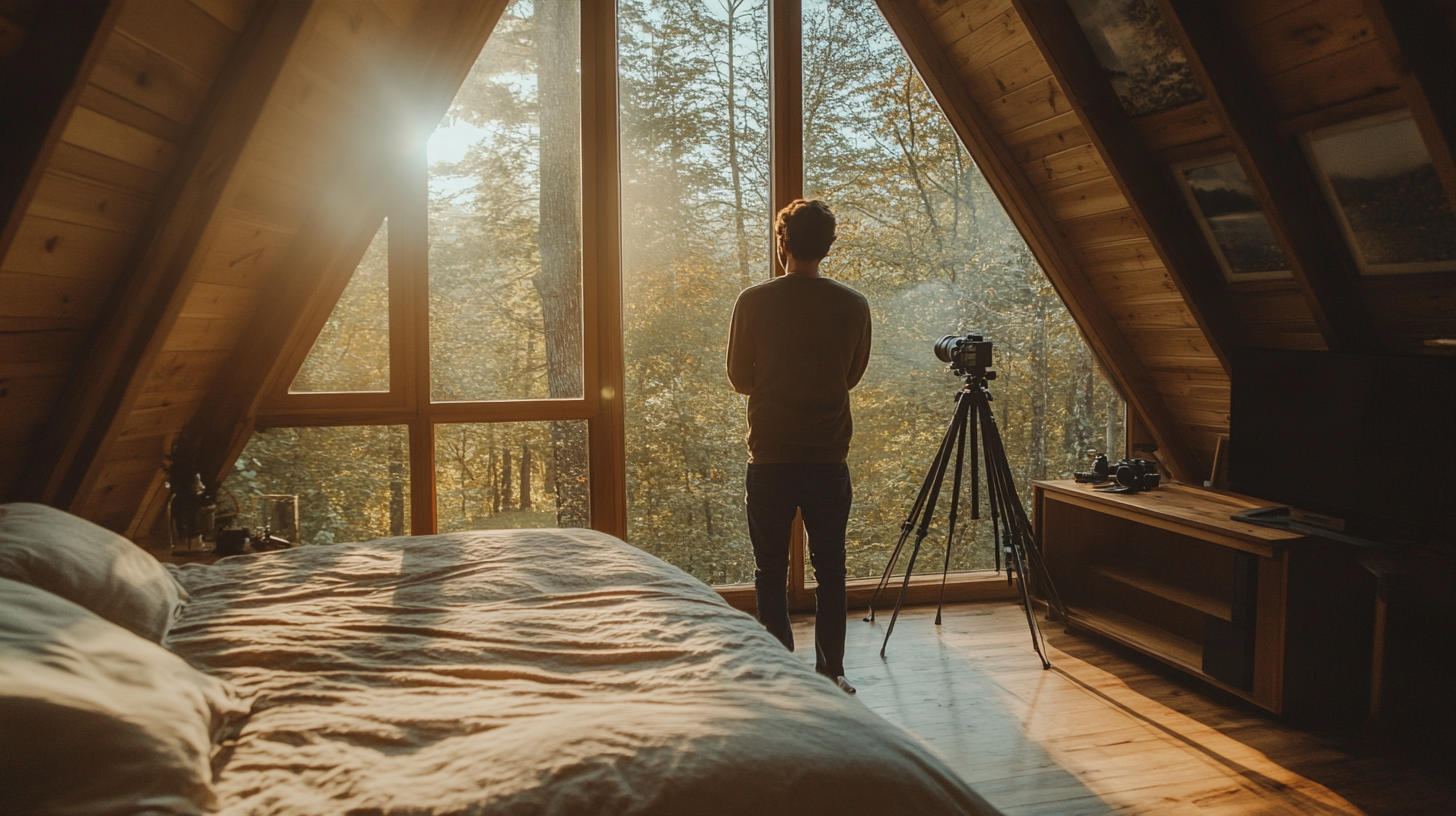
The best examples understand that the geometry is only the beginning: a strong triangular profile that demands an equally strong interior response. Steeply pitched ceilings create genuine drama in the living space. A loft above catches whatever warmth rises from below. The glazed gable end frames the tree line as if it were always the point.
The A-frames worth seeking in the Catskills are those where the geometry and the interior have been considered together — where the decision to leave structural beams exposed was made because they contribute something, rather than because it is expected, and where the furniture has been chosen in proportion to the space rather than despite it.
Converted Structures: The Catskills’ Hidden Architecture
Among the most rewarding cabin stays in the region are converted structures — barns, outbuildings, and occasionally stranger things, reinterpreted with genuine architectural care.
The Catskills have a working rural history that left behind a rich inventory of agricultural buildings, many of which have found new lives as vacation rentals of remarkable character.
A well-converted barn brings something a purpose-built cabin cannot: the accumulated presence of a structure built to last, with materials and proportions calibrated not for aesthetics but for function.
When those proportions are treated with intelligence — high uninterrupted volumes, wide timber frames, the occasional original detail preserved because it earns its place — the result is a home that feels genuinely irreplaceable.
Our broader Catskills collection includes several such structures — each with a story that begins well before its current incarnation, and owners who understand that story and want their guests to know it.
Mountain Modernism: The Cabins That Push the Form
A distinct and growing category of Catskills cabin is the modernist intervention — properties where the brief was not rustic retreat but a contemporary structure in serious conversation with its landscape.
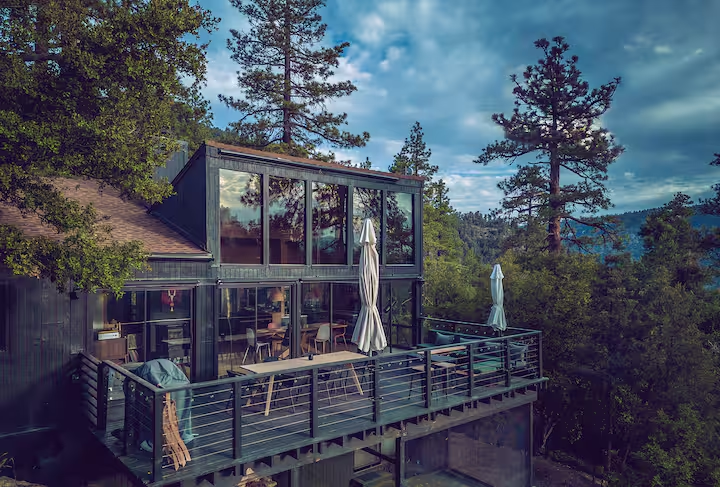
Floor-to-ceiling glazing dissolves the boundary between inside and out. A material palette of concrete, steel, and unfinished timber ages into the mountain setting without apology. Rooflines are designed around the specific topography of the site rather than any received notion of what a mountain home should look like.
These cabins tend to attract the most architecturally literate guests, and they reward that attention.
Staying in one requires a certain willingness to be in dialogue with the design rather than simply occupying it — but that dialogue is the experience, and it is one that very few other kinds of accommodation can offer.
The Catskills Towns Worth Knowing
A cabin stay in the Catskills is not solely a question of the home. The towns and villages that surround it are part of what makes the region exceptional — and the right cabin, in the right location, opens onto them naturally.
Woodstock remains the region’s cultural centre of gravity: galleries, live music, a food scene that has properly arrived, and a Main Street that rewards slow exploration.
Phoenicia, smaller and quieter, has the Catskill Center, exceptional fly-fishing on the Esopus Creek, and a general store whose espresso is better than it has any right to be.
Livingston Manor and Narrowsburg, further west, are where the region’s most recent wave of creative arrivals has settled — restaurants, workshop spaces, and a quality of local conversation that rewards the extra thirty minutes of driving.
Our guide to the Catskills versus the Hudson Valley covers the broader landscape question for those still deciding where to base themselves.
When to Go
The Catskills have a rhythm worth understanding.
Spring — late April through May — is the most underrated season: waterfalls at their most dramatic, trails reopening, and villages recovering their own pace after winter without the density of summer.
Early autumn, from September through mid-October, brings the foliage season that draws visitors from across the Northeast, and the best cabin rentals are typically reserved many months in advance for peak leaf weeks.
Winter has its own constituency: mountains under snow, woodstoves earning their place, and a quality of stillness in the forests that the warmer months do not quite replicate. Hunter and Windham offer skiing for those who want it; most cabin guests are there for the quiet.
Summer — July and August — is the most pressured season, with weekend availability at its tightest and rates at their highest. The spring and shoulder seasons offer the same landscape at a more considered pace, and the homes feel more fully your own.
All of the cabins featured through Locèlle are available to explore and book directly — with transparent pricing, owner contact, and none of the platform surcharges that major booking sites apply.
For those planning a spring departure from the city, our edit of the best spring getaways from New York City positions the Catskills alongside the region’s other exceptional destinations.
Frequently Asked Questions
What are the best areas for cabin rentals in the Catskills?
The southern Catskills — centred on Woodstock, Phoenicia, and the Esopus Creek valley — offer the densest concentration of design-led cabin rentals and are the most accessible from New York City at around two hours.
The western Catskills, around Livingston Manor and Narrowsburg, tend toward larger properties with more land and reward the extra driving time with a deeper sense of remove.
Both areas have exceptional character; the choice depends largely on how far from the city you want to feel.
How far are the Catskills from New York City?
The southern Catskills are approximately two to two and a half hours from Manhattan by car.
The western Catskills — Livingston Manor and Narrowsburg — add another thirty to forty-five minutes.
Both are entirely manageable as long-weekend destinations, with a Friday evening departure arriving well before dark in most seasons.
What is the best season to rent a cabin in the Catskills?
Each season has its own character.
Spring offers waterfalls, blossoms, and mountains emerging from winter at their most unhurried.
Autumn brings foliage season — spectacular, and best booked months in advance.
Winter rewards those seeking genuine mountain stillness and a woodstove that means it.
Summer is the most popular but also the most pressured; the shoulder seasons tend to deliver a more considered experience.
Can I book a Catskills cabin directly without Airbnb?
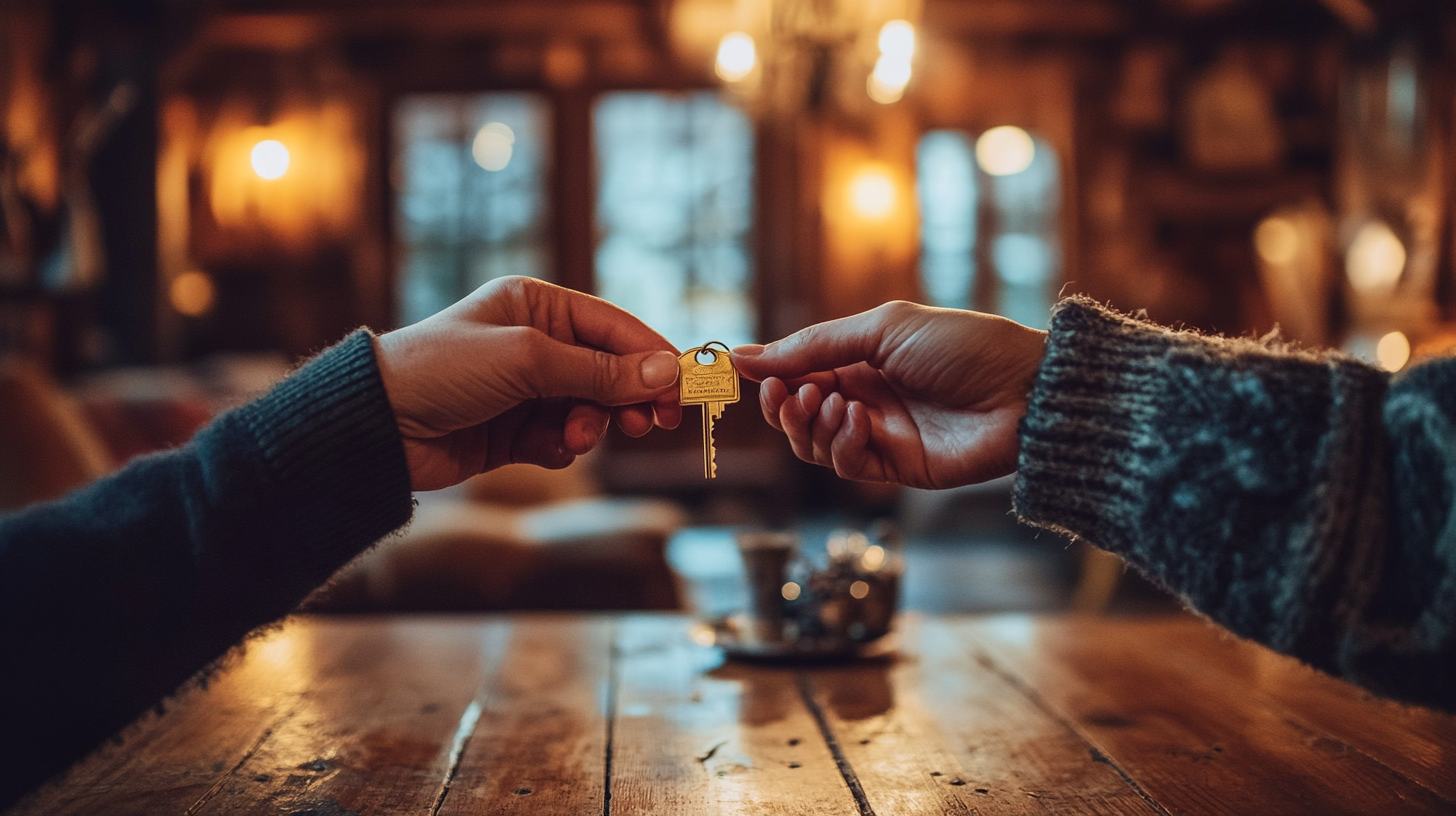
Through Locèlle, yes — and the direct-booking options in the Catskills are genuinely strong.
Every cabin in the collection is presented by its owners, with honest descriptions and current photography, at the price they set — without a platform service fee added on top.
The relationship begins with the first message, and most owners are exceptionally generous with local knowledge before you arrive.


Discover homes worth traveling for
Join the Locèlle newsletter for design-led stays and off-market finds
Get on the list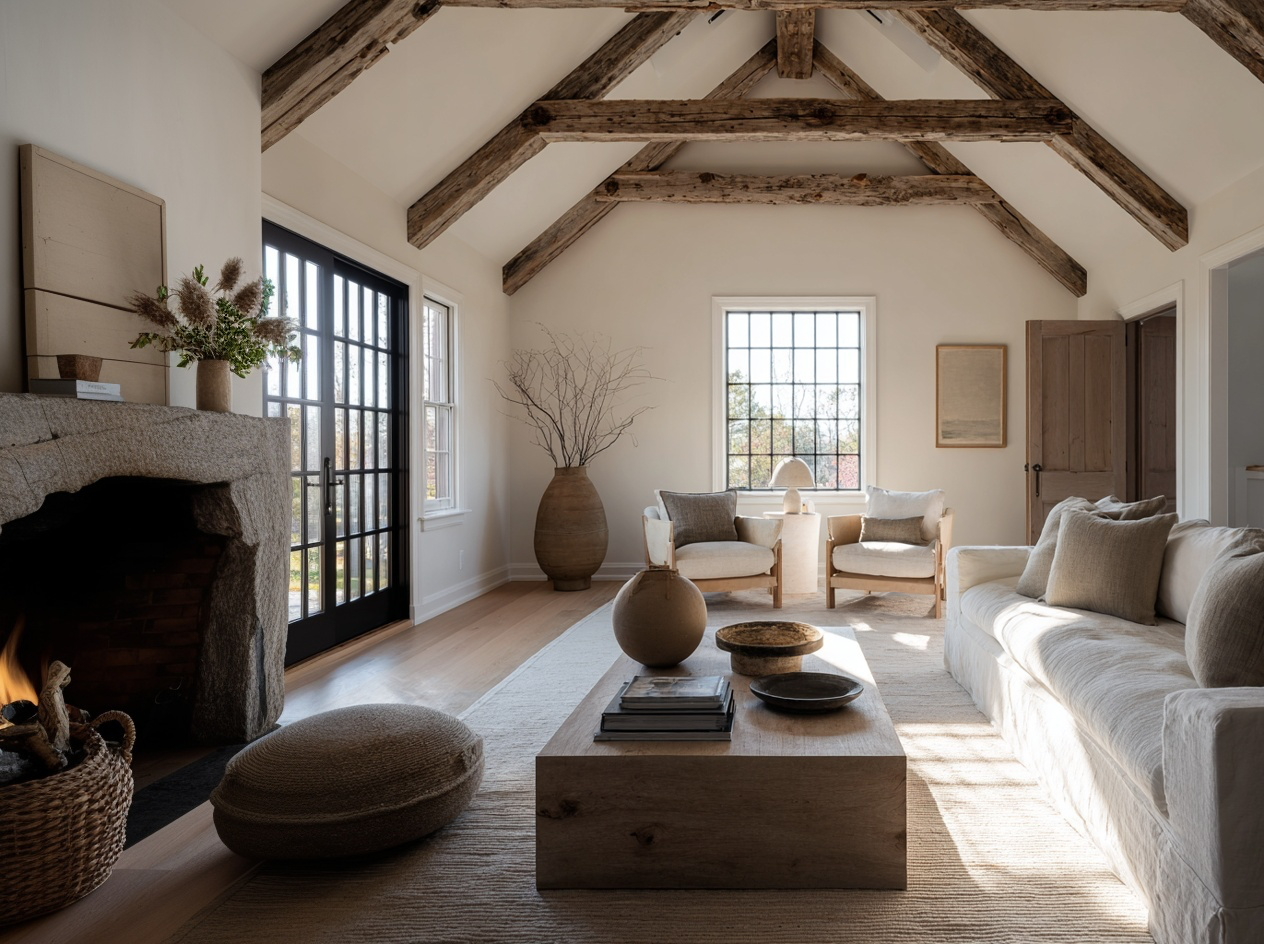
Discover homes worth traveling for
Join the Locèlle newsletter for design-led stays and off-market finds
Get on the list