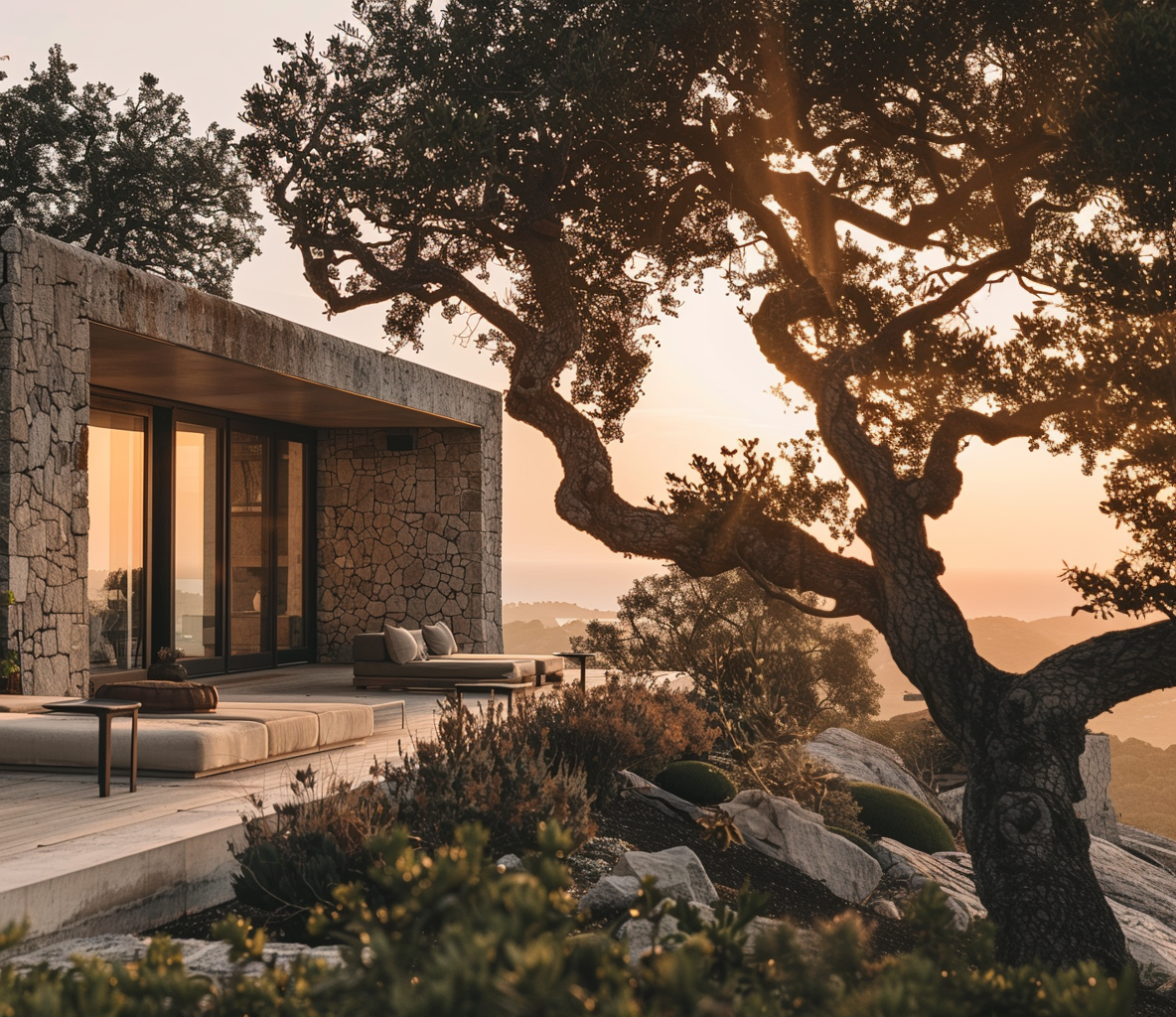

2026 Predictions: The Future of Design-Led Vacation Homes
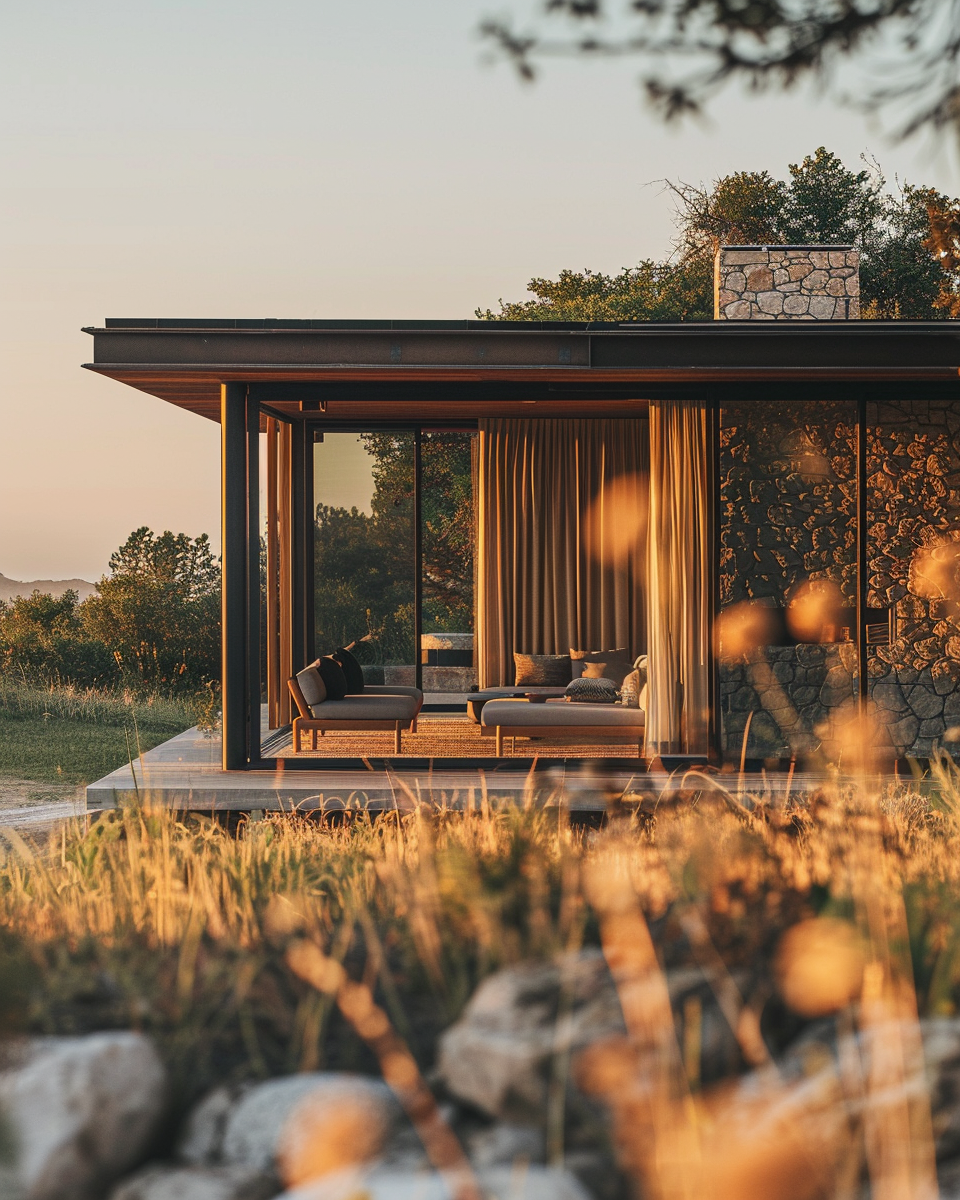

In 2026, the most compelling vacation homes won’t compete on features, pricing hacks, or algorithmic placement. They’ll stand out through intent.
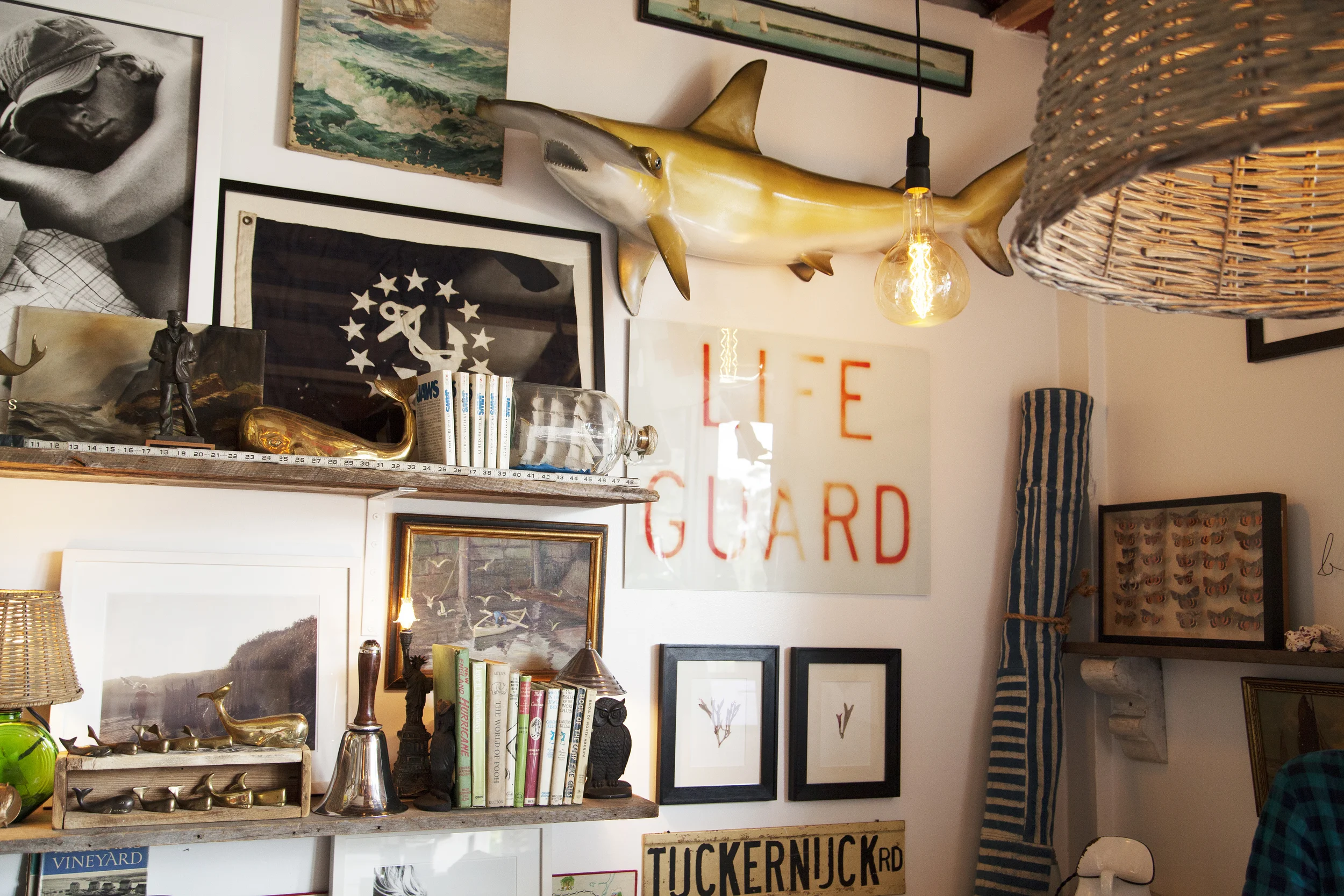
Design-led homes are moving away from neutrality and toward point of view—spaces shaped by taste, restraint, and a clear sense of why they exist. Travelers are no longer just looking for somewhere to stay. They’re looking for places that feel considered, lived-in, and aligned with how they want to experience the world.
This is what we see coming next.
Design-Led Stops Meaning “Well-Considered,” Not Just Beautiful
For years, “design-led” became shorthand for photogenic: sculptural furniture, dramatic lighting, bold moments meant to stop a scroll.
In 2026, that definition shifts.
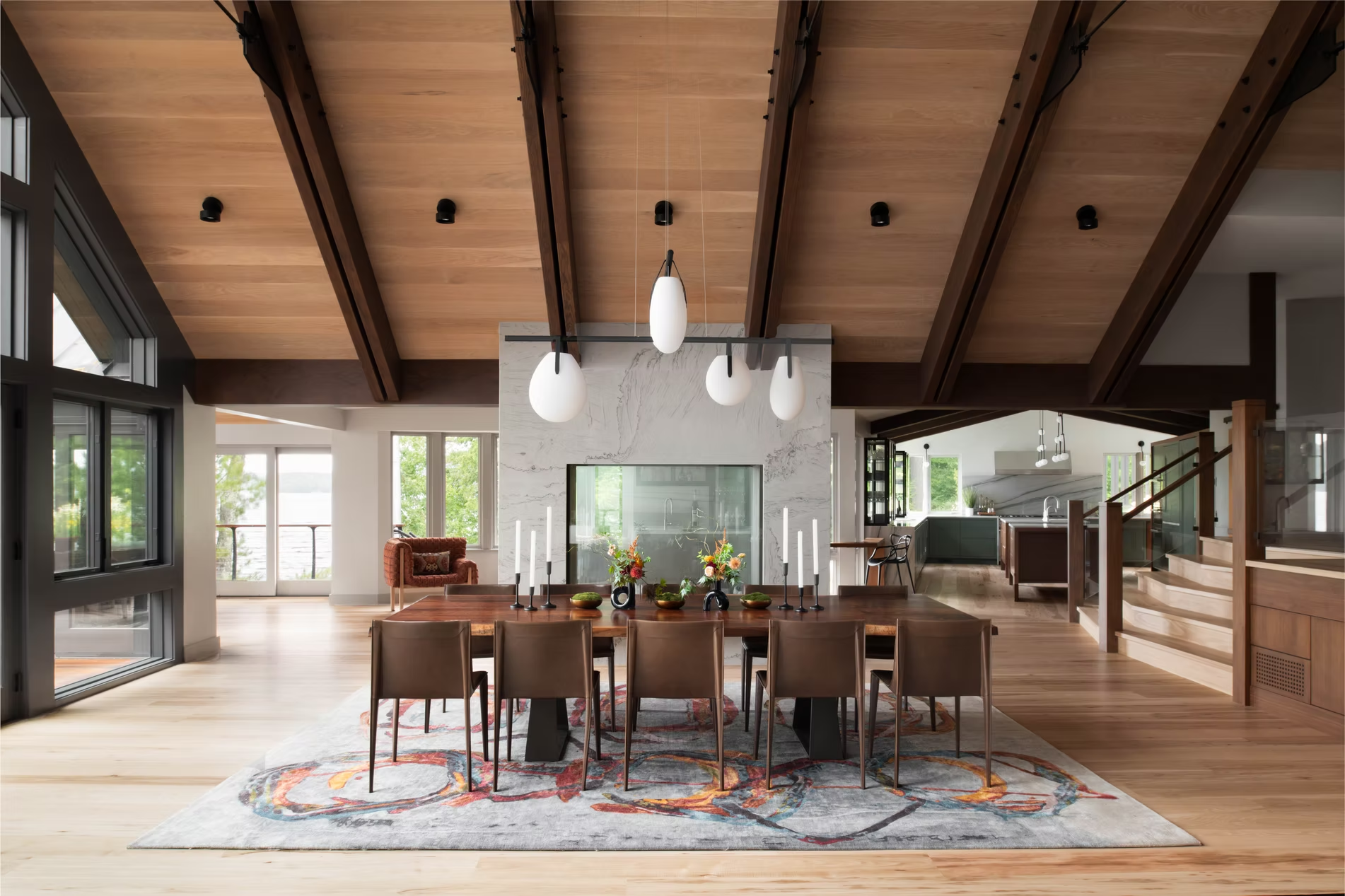
Design-led homes will be recognized not for how loudly they present themselves, but for how intentionally they’re composed. Materials chosen for how they age. Layouts designed around how people move and gather. Light used to soften, not impress.
Many of the homes we feature on Locèlle reflect this quieter approach—spaces that reveal themselves slowly, and reward time spent inside them (Explore Homes).
Point of View Will Matter More Than Popularity
The most memorable homes in 2026 won’t try to appeal to everyone.
They’ll feel authored.
You’ll sense the owner’s perspective in the choices they didn’t make: the restraint in palette, the absence of clutter, the way a space prioritizes calm over trend. These homes don’t chase mass approval—they invite alignment.
This specificity is what transforms a stay into a memory. It’s also what draws the right kind of traveler: someone who understands the home before they arrive.
That alignment is something we return to often in our Owner Stories—how thoughtful decisions lead to better guests, not just more bookings (Read Owner Stories).
Discovery Becomes Editorial, Not Algorithmic
Endless scrolling is losing its grip.
Travelers are increasingly exhausted by grids, filters, and optimization disguised as choice. In 2026, discovery will feel slower and more deliberate—closer to reading a magazine than shopping a marketplace.
Context will matter. So will pacing. Homes won’t be consumed in seconds; they’ll be explored through story, imagery, and intention.
This is why Locèlle approaches travel through a journal lens—treating homes as features, not listings, and giving them room to be understood before being booked (Browse the Journal).
Owners Will Step Forward as Storytellers
In the next wave of design-led travel, owners won’t disappear behind brand neutrality.
They’ll be visible—and valued.
Who built the home. Why it exists. What rituals it supports. What the space is meant to evoke. These details won’t feel like marketing—they’ll feel like meaning.
The homes that resonate most in 2026 will be the ones where the owner’s voice is present, but never overpowering. Honest. Personal. Grounded.
This human layer is often what turns interest into trust—and curiosity into commitment.
Design Will Become Emotional, Not Performative
The new luxury isn’t visual impact.
It’s emotional ease.
In 2026, design-led homes will prioritize how a space makes you slow down, exhale, and feel held. Sound, light, texture, and flow will quietly shape the experience. Furniture will be chosen less for statement and more for longevity.
These homes won’t ask for attention.
They’ll offer relief from it.
Price Will Act as a Signal of Intent
As design-led homes become more intentional, pricing will follow.
In 2026, price will stop being a comparison tool and start functioning as a filter. Design-forward, distinctive homes already command 15–30% higher nightly rates than undifferentiated listings—not because they offer more amenities, but because they offer more clarity.
For the right guest, price won’t feel like a barrier.
It will feel like reassurance.
This clarity benefits both sides: owners attract guests who understand the value of the space, and travelers avoid places that were never meant for them.
Connection Will Matter More Than Conversion
Travel is becoming more relational.
Travelers want to understand a home before booking it. Owners want guests who respect the space and its intention. In 2026, direct connection—whether through story, conversation, or context—will matter more than transactional urgency.
This doesn’t mean abandoning platforms. It means reframing them as tools, not the experience itself.
The experience begins earlier now—with discovery, alignment, and understanding.
Travel Shifts From Escape to Alignment
The most meaningful stays in 2026 won’t be about disappearing from life.
They’ll be about returning to it differently.
Design-led vacation homes offer a quieter form of inspiration—spaces that reconnect people to craft, place, and presence. They don’t overwhelm. They recalibrate.
And that may be the most enduring shift of all.
The future of vacation homes isn’t bigger, faster, or louder.
It’s more intentional.
More personal.
More considered.
Homes with a clear point of view will be the ones people remember—and return to.