
James Reed, and the Discipline of Light

Some photographers arrive at architecture through design school or years behind a drafting table. James Reed came to it by way of speed, precision, and an almost obsessive respect for preparation.
For eight years, James was a member of the U.S. bobsled national team, competing at the highest level of the sport—including the 2022 Winter Olympics in Beijing. His life revolved around margins, timing, and execution. When he retired, he knew one thing immediately: a desk job wasn’t going to cut it.
So he leaned fully into what had quietly followed him for years—photography.
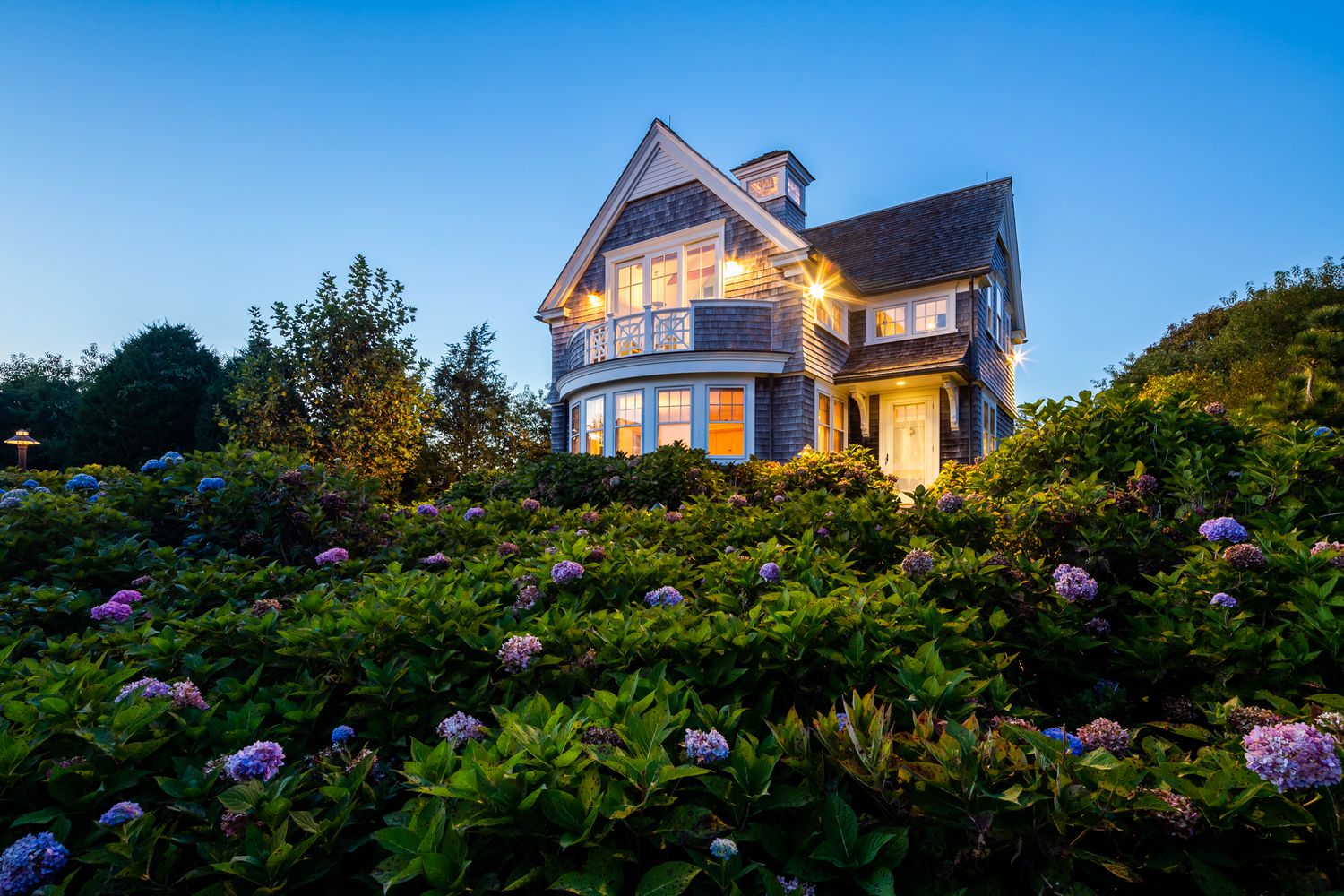
Today, James is an architecture and interior design photographer based in New Hampshire, known for images that feel intentional, directional, and alive with contrast. His work has been featured in New Hampshire Home, Maine Home + Design, The Wall Street Journal, and The Haven List. But what stands out most isn’t the publication list—it’s the restraint, the patience, and the respect for the spaces he photographs.
“I hope that my photography is able to convey the level of detail, craftsmanship and hard work that my clients put into this project.”
— James Reed
A Long Way Around
Photography started as a side pursuit while James was still competing. Cameras came with him between training blocks and travel, a creative outlet in a life otherwise governed by strict schedules and physical demand.
After retiring from bobsledding, he experimented—briefly—with real estate photography. It didn’t take long to realize it wasn’t the right fit. The pace was too fast, the images too transactional. What he was really drawn to were spaces with intention: architecture that made decisions, interiors with cohesion, homes where materials, light, and furnishings spoke to each other.
He pivoted toward architecture and design photography and began building his portfolio the hard way—by seeking out exceptional properties that were being undersold visually. Many were short-term rentals with strong architecture and weak photography.
It was a mutually beneficial exchange, but also a revealing one. James learned early how much photography shapes perception—and how the right images can change the entire narrative of a place.
Style, Defined by Light
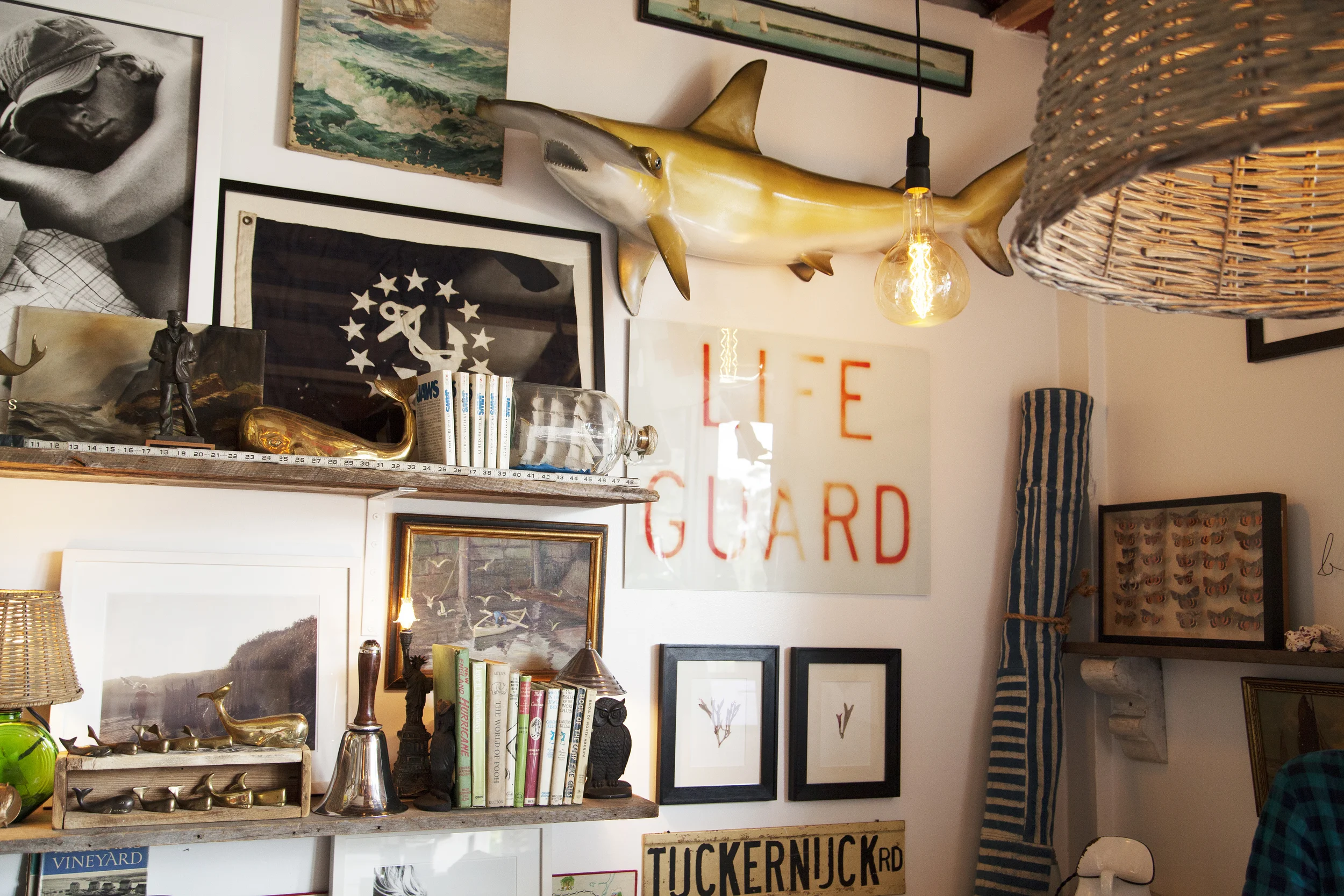
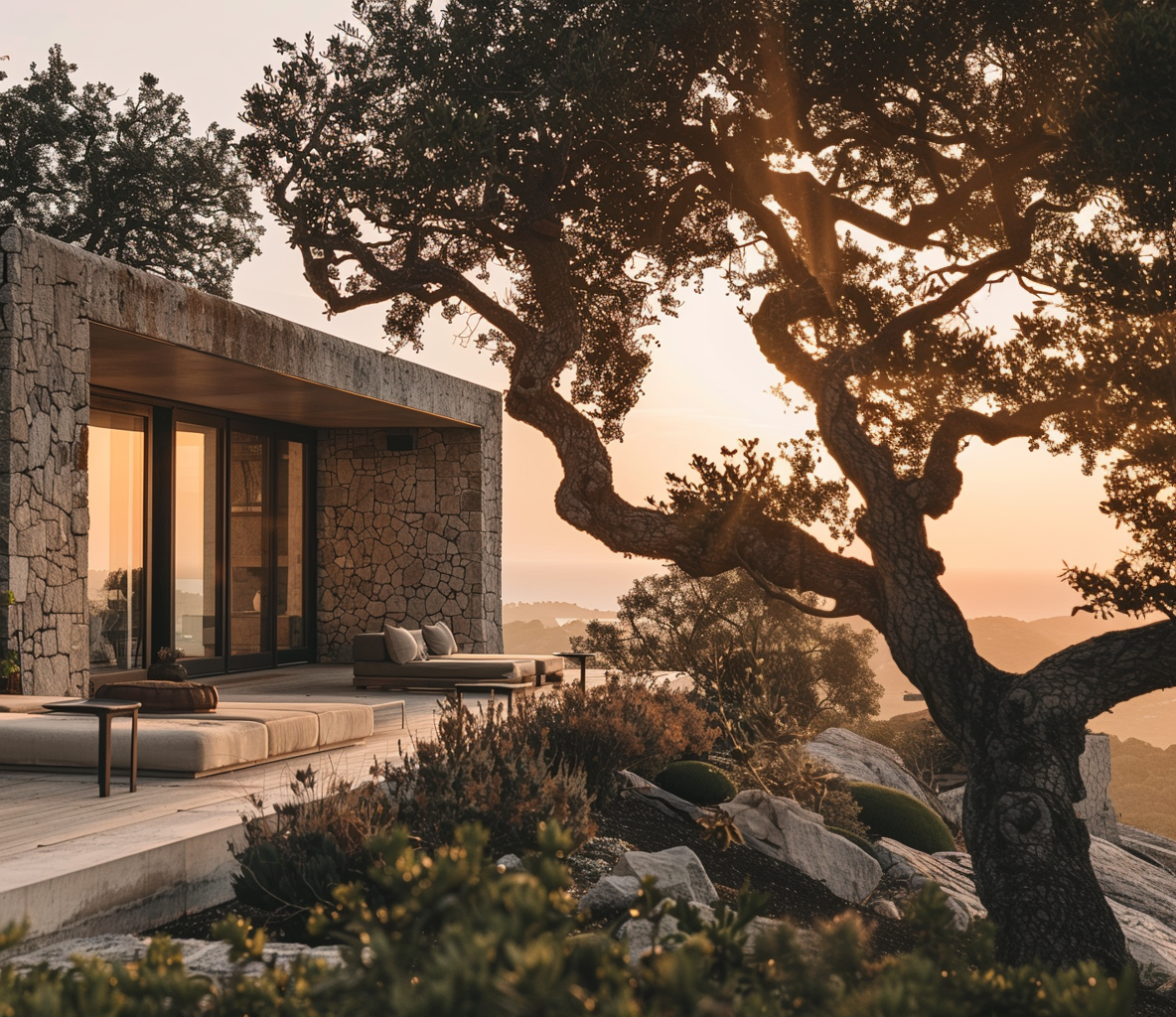
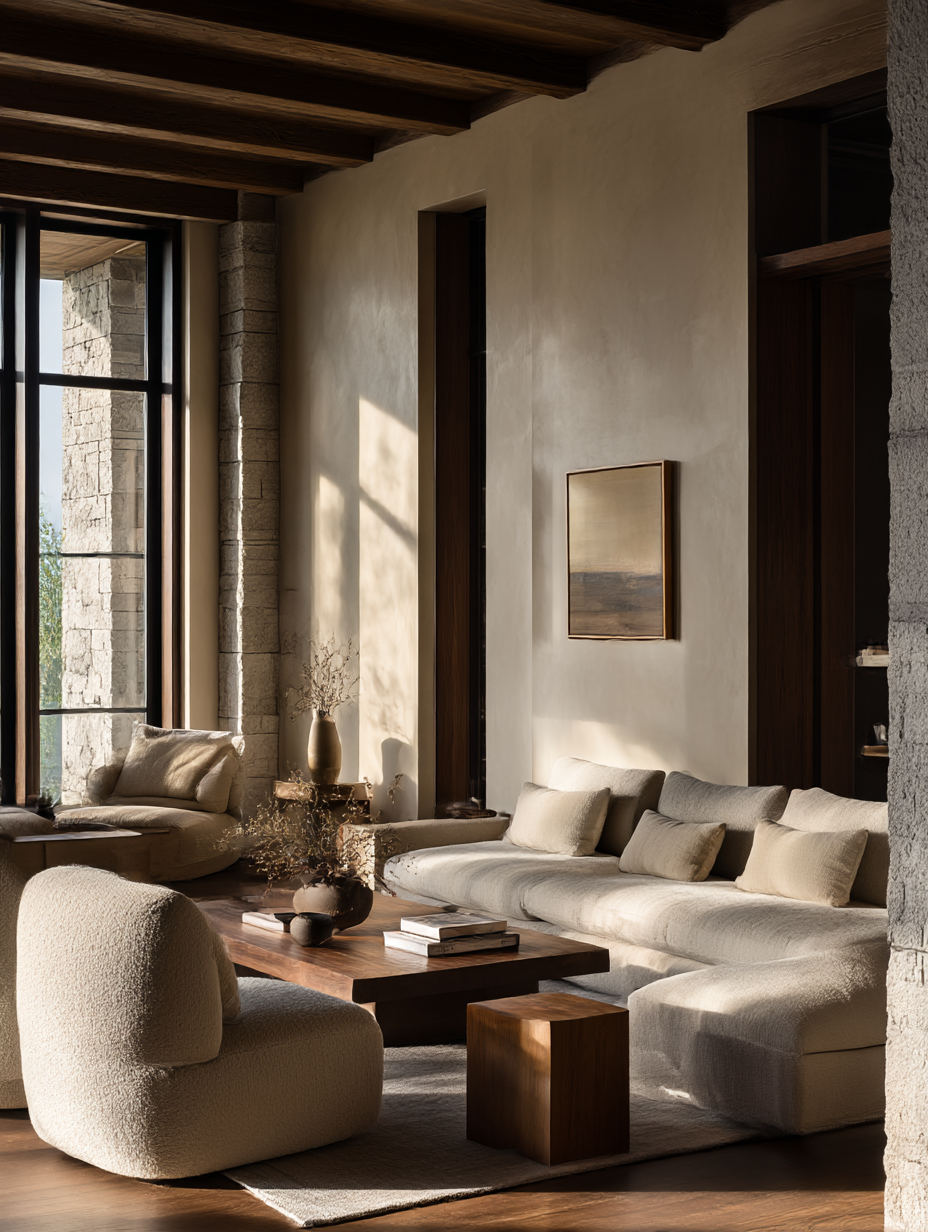
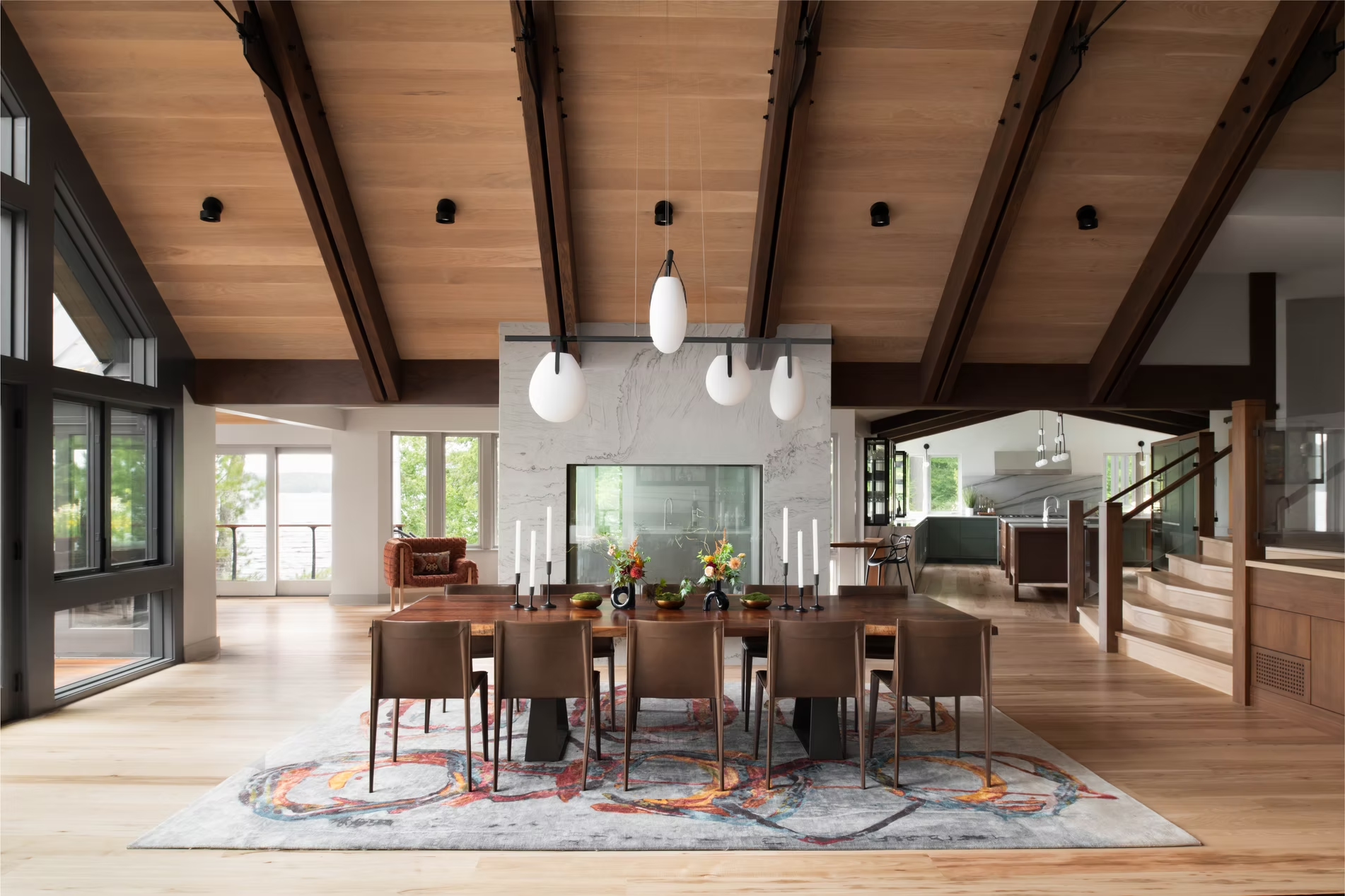
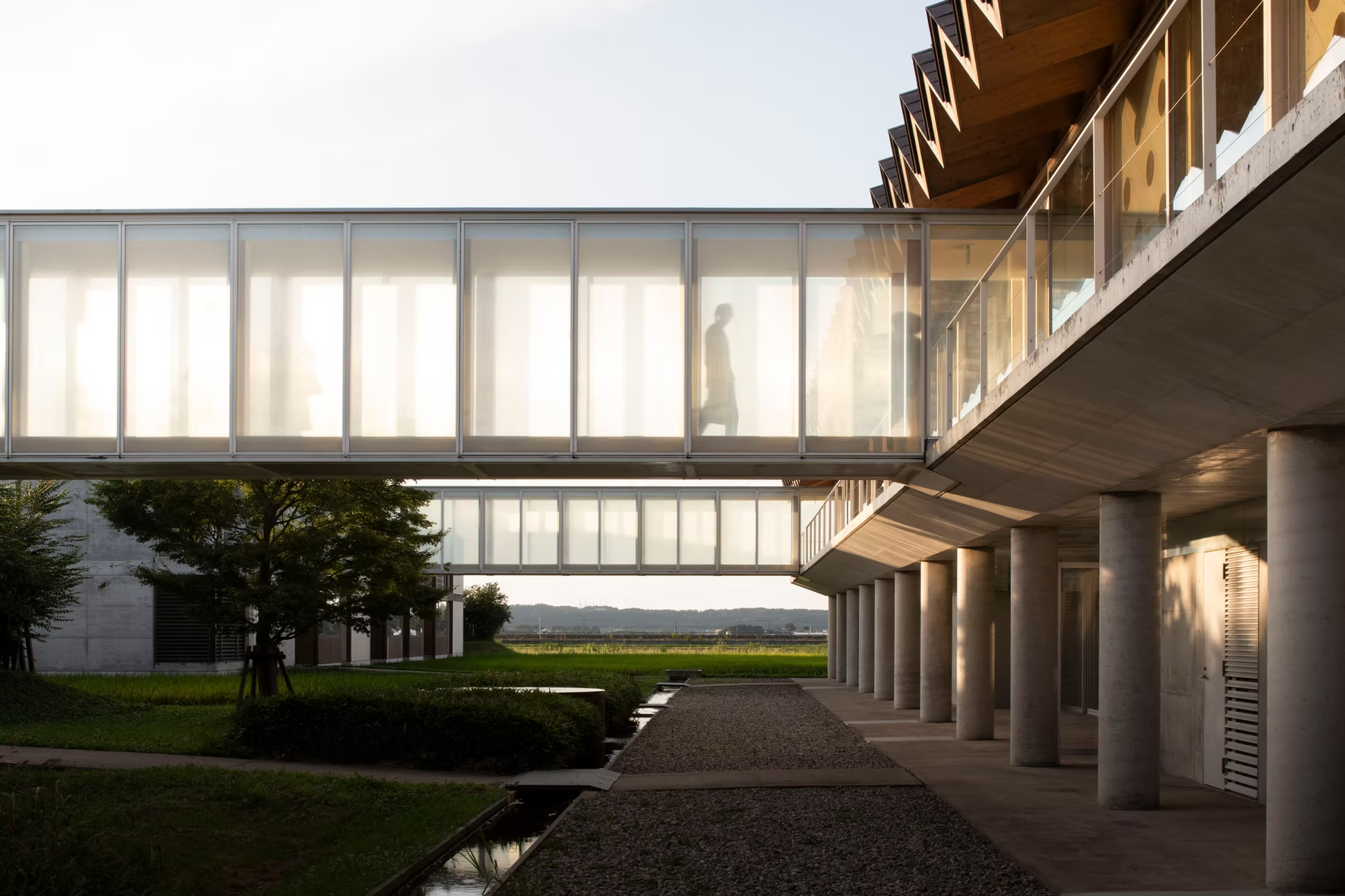
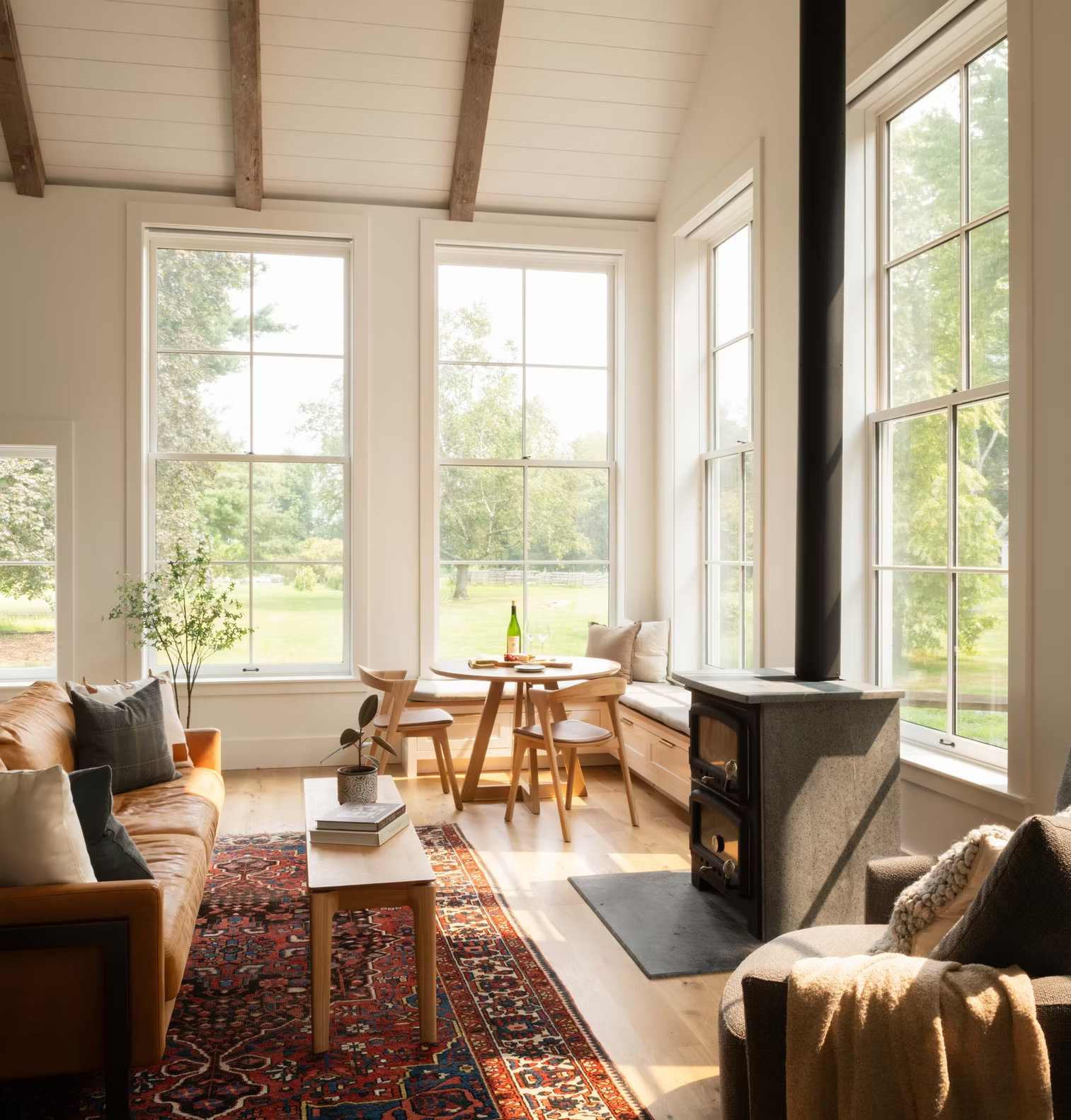
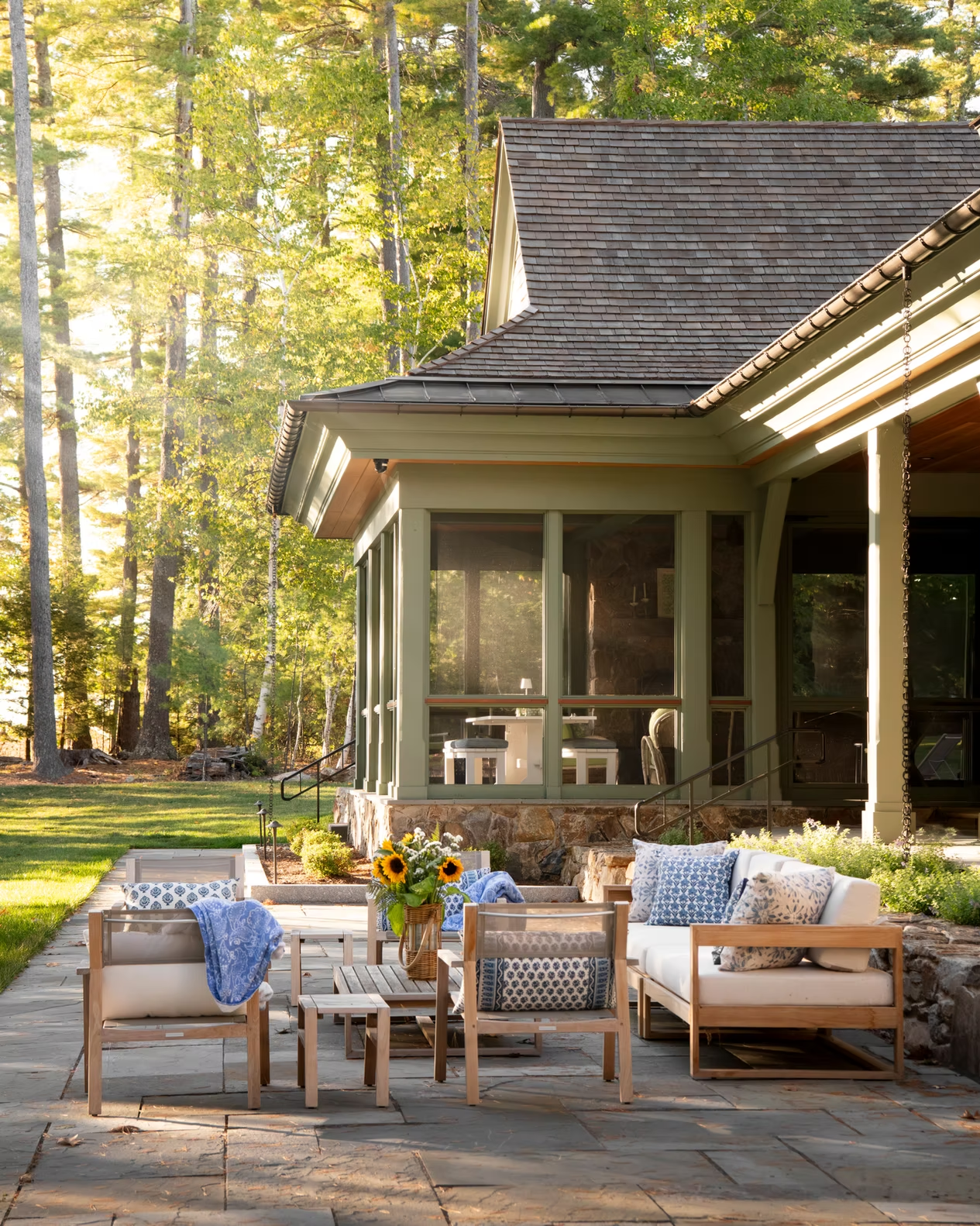
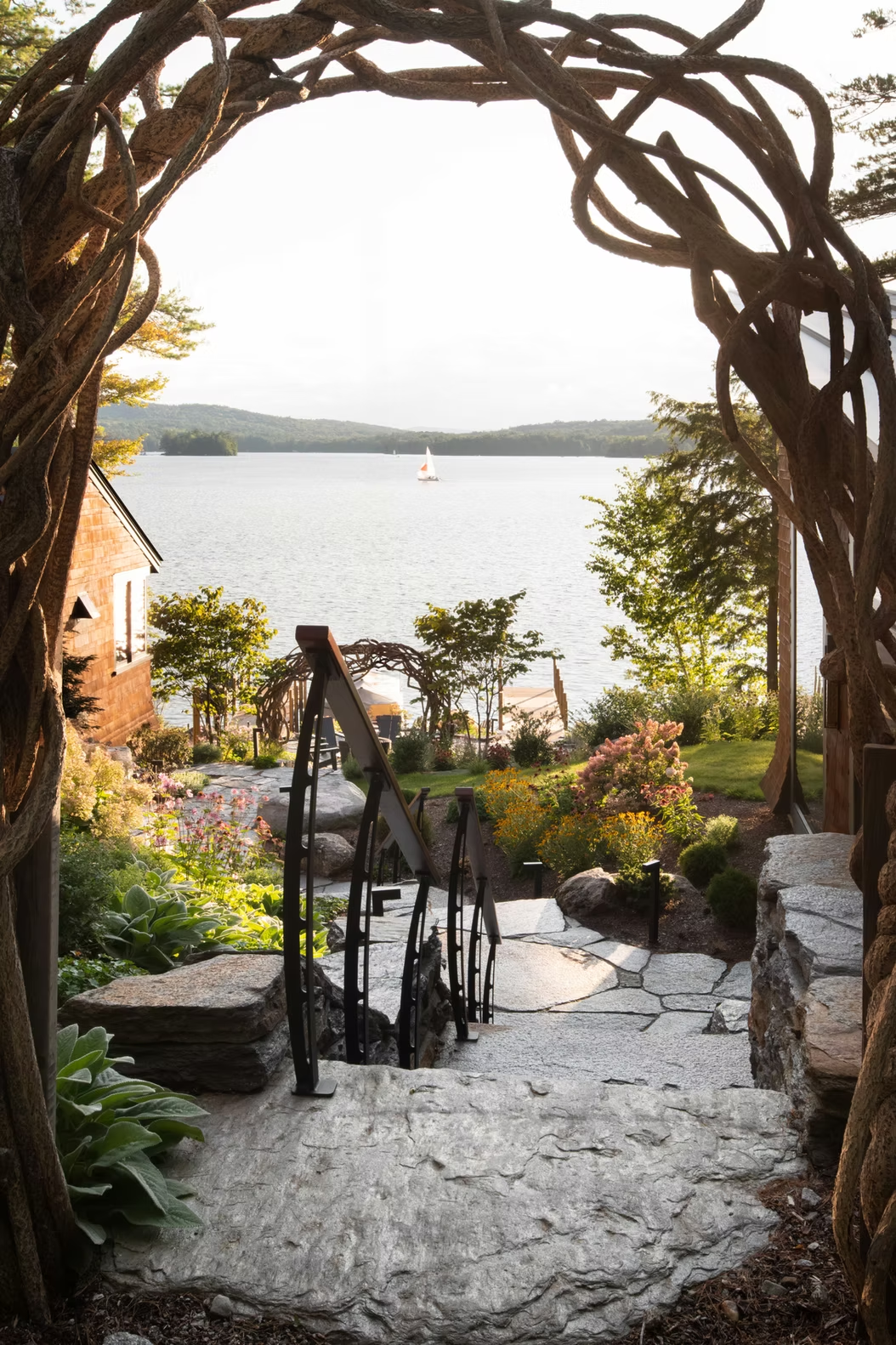
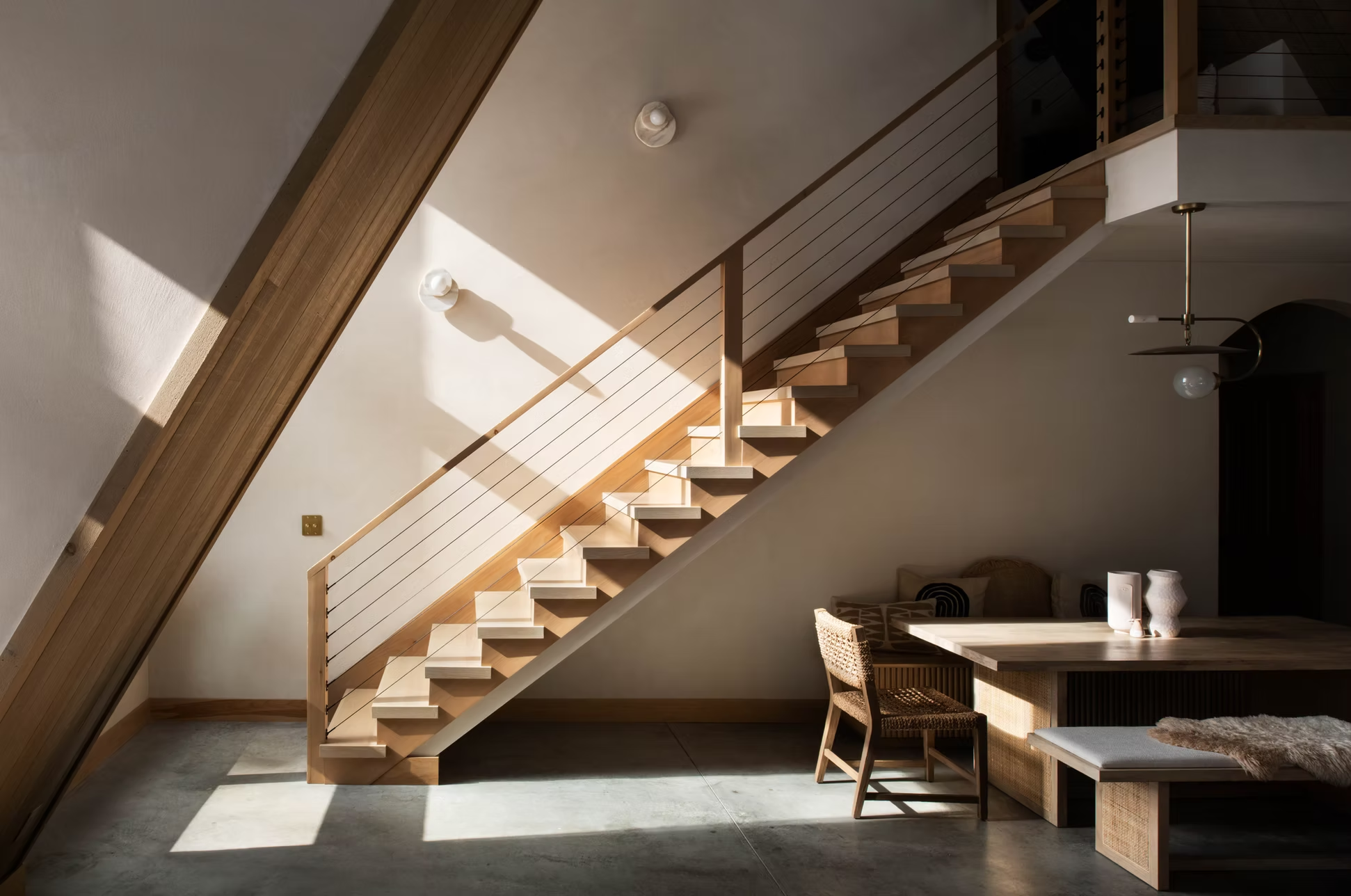
James describes his current style as punchy and contrasty, but that undersells the discipline behind it. His work is anchored in natural light and clear directionality. You don’t just see where the light is coming from—you feel it.
“I want you to feel that the light is coming from one side of the frame, through a window or a doorway, and draping the whole scene with light.”
— James Reed
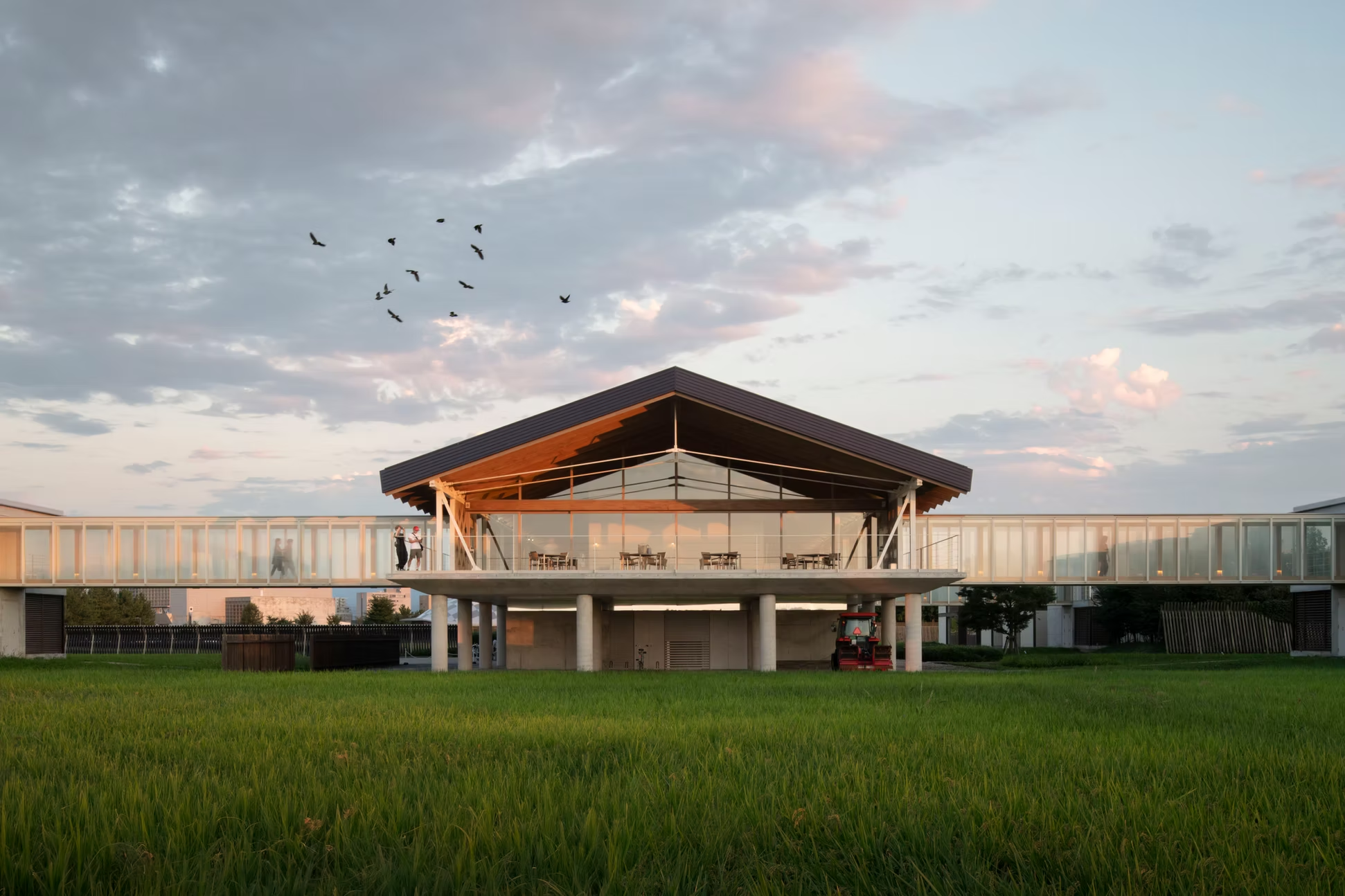
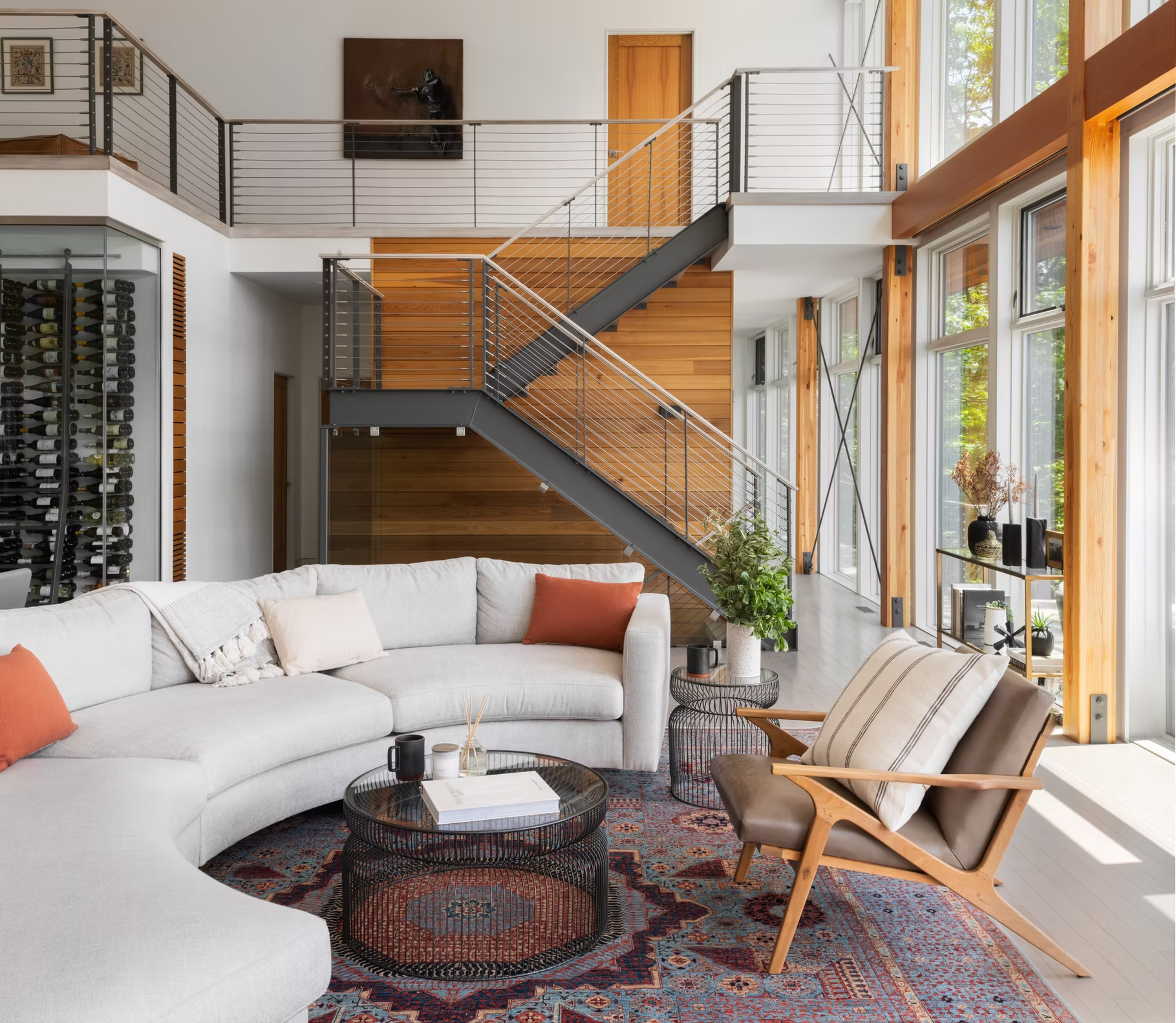
He avoids formulaic shots and predictable compositions. Centered, one-point-perspective kitchens no longer interest him unless they truly serve the space. Instead, he looks for angles that reveal how a room unfolds, how light moves across surfaces, how materials interact throughout the day.
The goal is to get it right in-camera. When preparation, timing, and light align, post-processing becomes minimal—a sign, for James, that the image is finished.
Projects That Linger
Some projects stay with you.
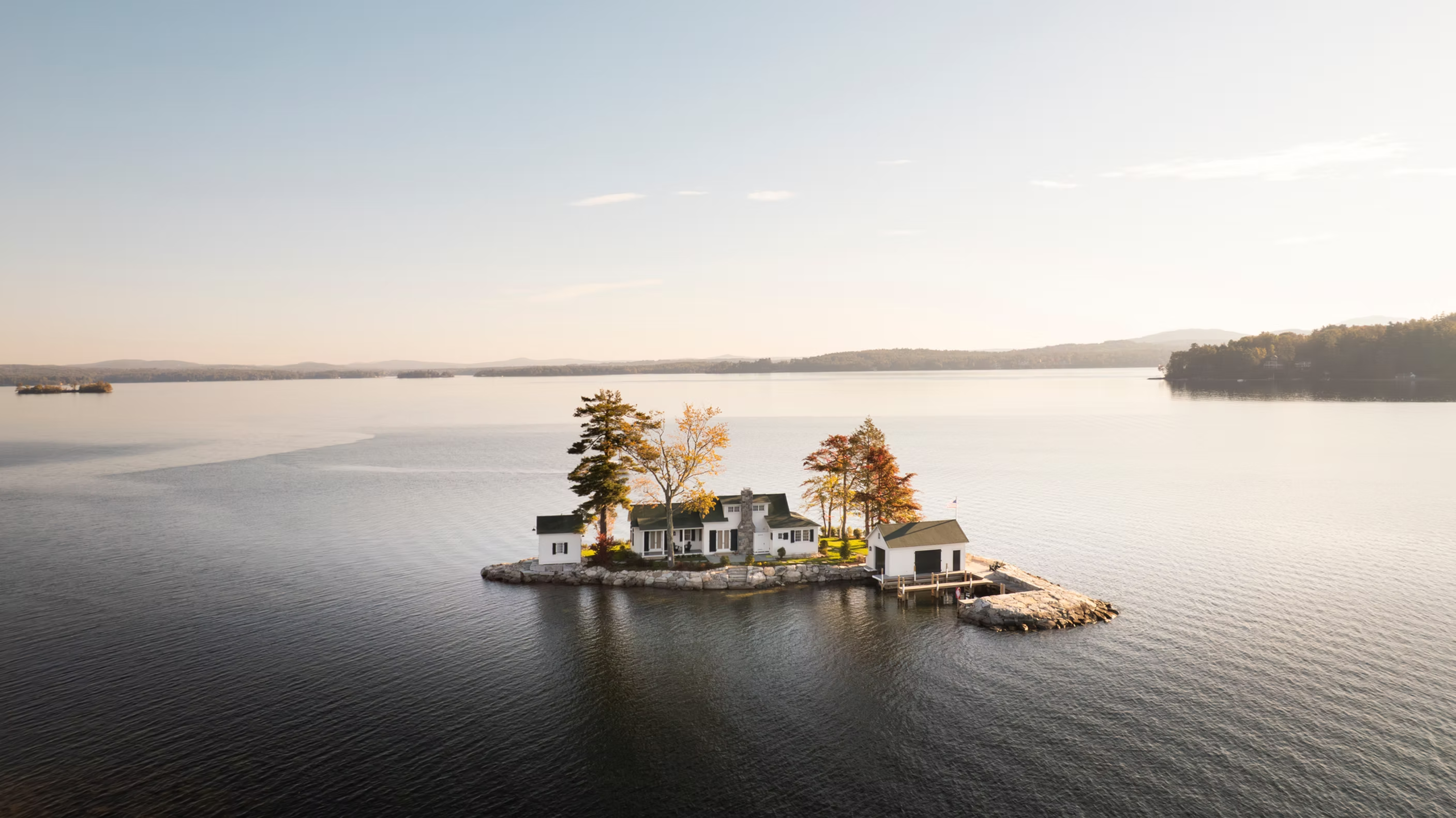
One of James’ most memorable shoots involved a house that occupied an entire small island on Lake Winnipesaukee. He arrived by boat at 5 a.m., chasing sunrise and fall color. Drone shots captured the island surrounded by orange foliage, the house emerging quietly from the landscape. It remains a defining project in his portfolio.
More recently, a 10,000-square-foot custom lake house in Alton, New Hampshire pushed him in a different way. The project took over a year and a half to plan. Every room featured custom wallpaper and cabinetry. The shoot itself spanned two twelve-hour days with a team of eight—architects, designers, assistants—all aligned around one goal: honoring the work.
The images aren’t public yet, but James speaks about the project with pride. It demanded everything—precision, patience, and problem-solving, especially in spaces filled with reflective, high-gloss surfaces where light becomes something you negotiate with, not control.
Honoring the Work
James often arrives at the very end of a long journey. By the time he steps on site, clients may have spent five years moving from sketches to completion. He doesn’t see his role as simply documenting the result—but as translating that effort into something lasting.
His photographs help clients say, We built this. We’re proud of it. They become tools for future work, but also records of care and intention.
That sense of responsibility runs through everything he shoots.


Life, Beyond the Frame
Like many creatives, James admits that turning photography into a full-time job came with a cost. Personal photography fell away. Lately, he’s been intentional about reclaiming it—not for clients, not for publication, but for himself.
“When photography becomes your full-time job, you don’t often continue photography as a hobby… I fell in love with photography for a reason, and now it’s my work, and I want to make sure that I keep on doing it outside of my paid work.”
— James Reed
Outside of work, he’s rarely still. Skiing, mountain biking, training at the gym, traveling, and spending time with a close local friend group keep him grounded. New experiences—not just bigger projects—are what motivate him.
Looking Ahead
James is deliberate about where he puts his energy—and his camera.
He’s focused on high-end architecture and design photography, not basic real estate coverage. The common thread isn’t size or location, but intention. Residential or commercial, the projects that excite him are design-driven, visually compelling, and thoughtfully executed.
He’s especially drawn to properties with a point of view—homes and spaces where architecture, materials, and craftsmanship are doing real work, and where there’s a story behind how the place came to be. Those narratives matter to him, and they often guide how he photographs a space.
Just as important is the mindset of the client. James looks to work with architects, designers, builders, and owners who value professional photography as an integral part of the project—something considered alongside design, materials, and execution.
Creatively, he’s seeking assignments that allow him to do what he does best:
working with natural light, strong composition, and unexpected angles—images that reveal detail, craftsmanship, and atmosphere rather than repeating standard listing shots.
In short, James is building toward projects where photography isn’t just documentation, but a final act of care—one that reflects the depth, effort, and integrity of the space itself. Explore more of James Reed’s work at https://www.jameskreedphotography.com.