
Douglas Friedman's Marfa Ranch: A Design-Led Vacation Rental for Sale in West Texas


A career defined by trust, restraint, and vision
For more than two decades, Douglas Friedman has been one of the most trusted eyes in architecture and design. Best known for his long-standing relationship with Architectural Digest, Friedman has photographed the private homes, studios, and inner worlds of architects, designers, artists, and cultural figures whose work defines contemporary taste.
What sets Friedman apart is not access, but sensibility. His photographs don’t dramatize spaces or chase visual trends. Instead, they reveal architecture slowly—through proportion, light, and the subtle signals of how people actually live. It’s an approach that has quietly shaped how modern homes are documented, understood, and ultimately valued.
(A small but telling aside: Friedman’s world is so deeply embedded in design and culture that if you happen to call his phone, there’s a very real chance Martha Stewart might answer.)
Now, for the first time, his coveted Marfa property is for sale. Previously offered as a short-term rental, it has been featured on Locèlle to highlight its design pedigree and guide design enthusiasts directly to the listing with the real estate agent.
Seeing architecture as experience, not image
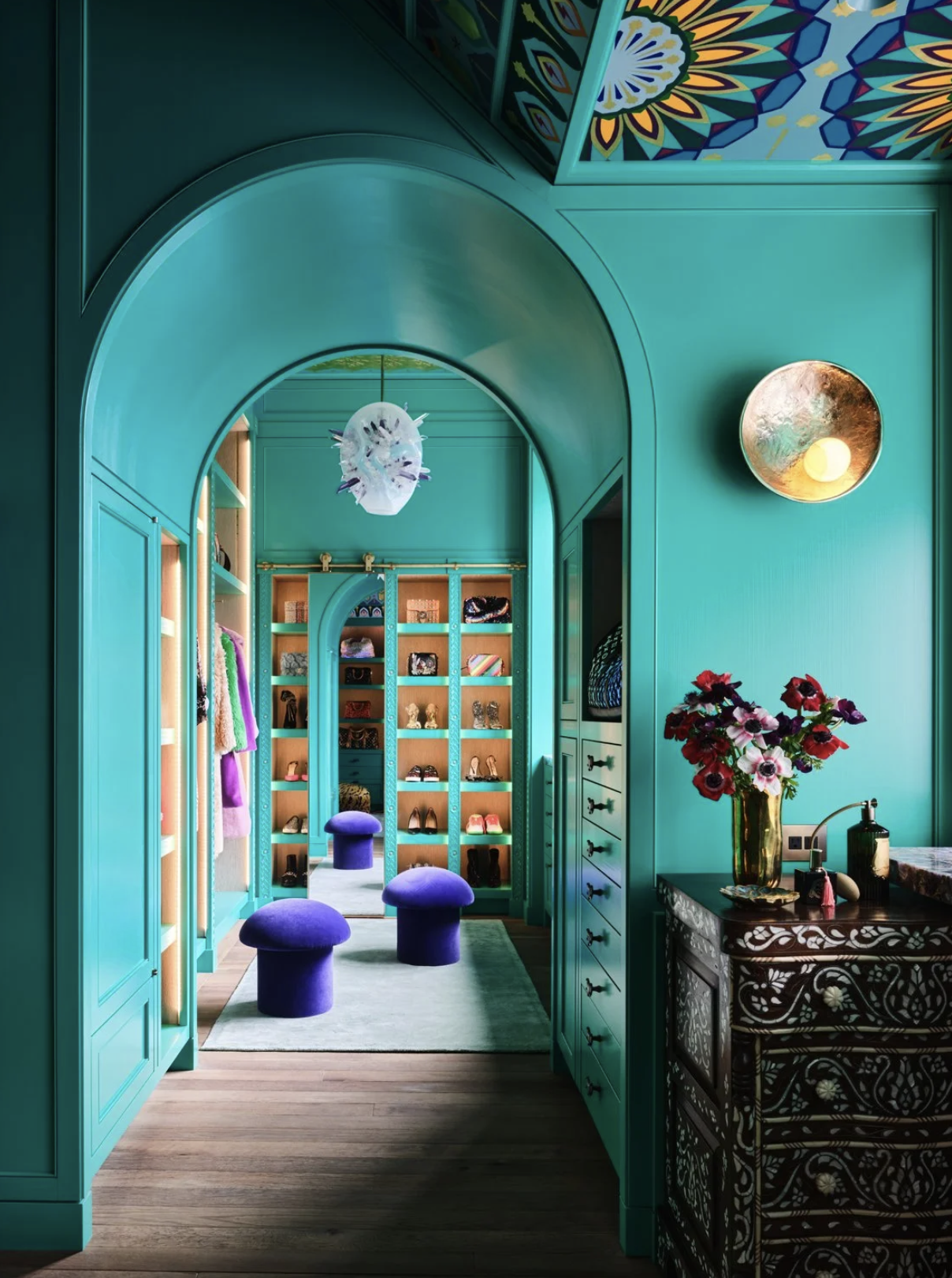
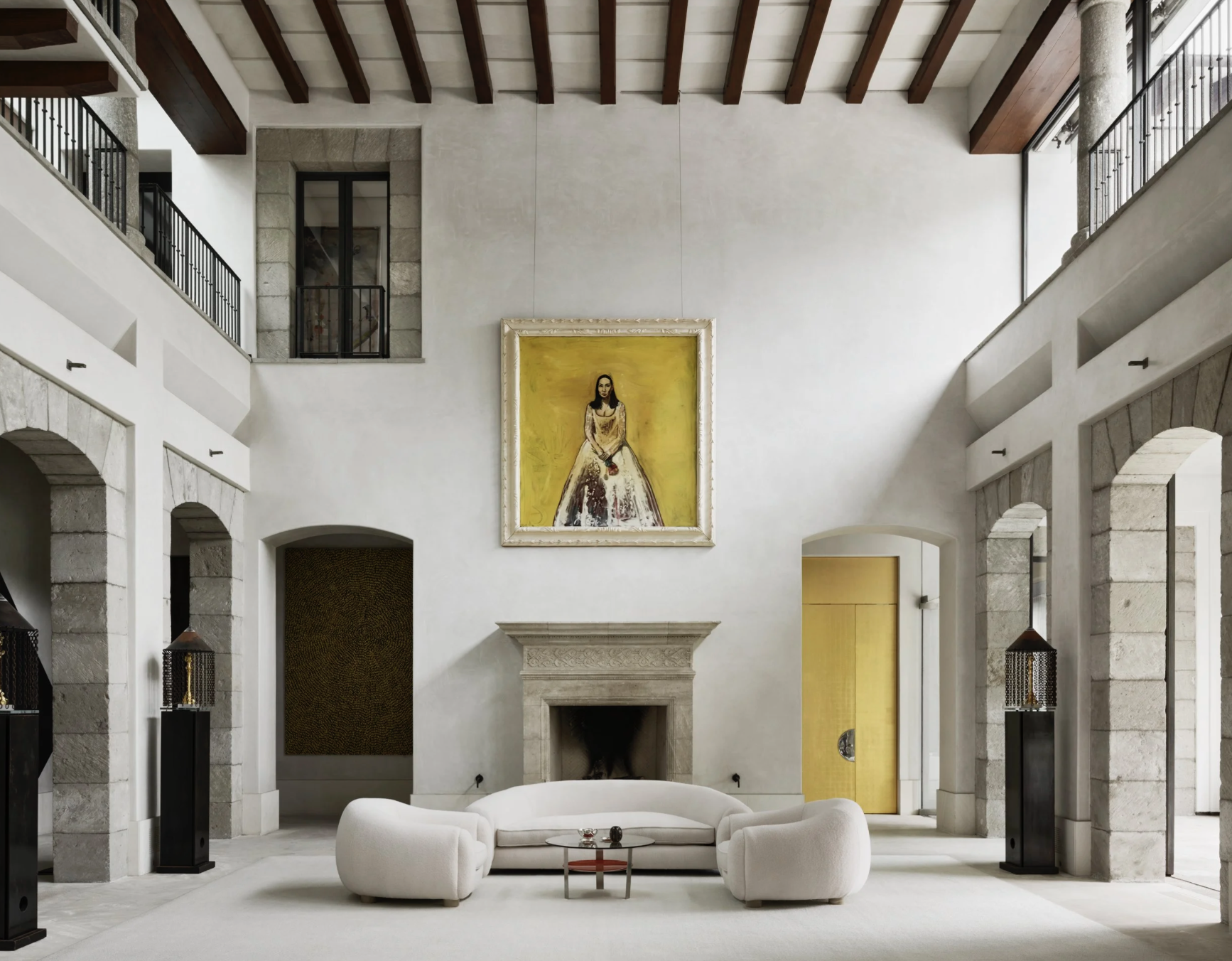
Friedman’s architectural photography is grounded in restraint. Natural light is allowed to move freely. Furniture feels lived in, not staged. Doors remain slightly ajar; shadows stretch across walls. His images capture not just form, but atmosphere—how a space behaves over time rather than how it performs for the camera.
This philosophy aligns closely with Locèlle’s point of view: that the most meaningful homes are designed to be inhabited, not merely admired.



Portraiture rooted in place
That same clarity extends to Friedman’s portrait work. Whether photographing artists, designers, or cultural leaders, his subjects are rarely isolated from their surroundings. Homes and studios become part of the portrait, reinforcing the idea that environment shapes identity.
It’s a recurring theme in Friedman’s work—and a guiding principle behind Locèlle’s editorial approach to travel and place.
Living the philosophy behind the lens
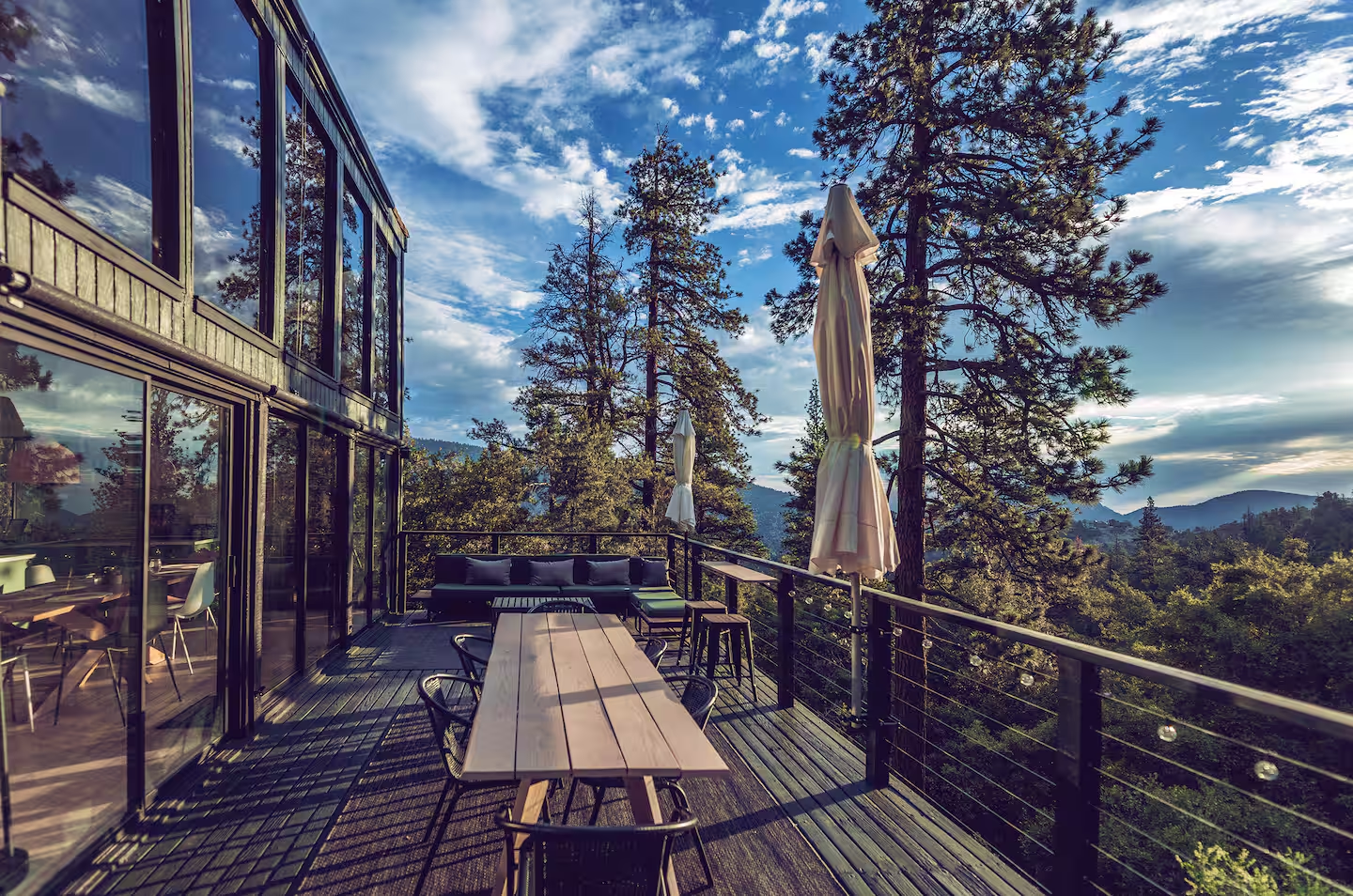
Friedman’s own architecture offers the clearest expression of his worldview. For more than ten years, he lived in his self-designed ranch outside Marfa, Texas—a home later named one of Architectural Digest’s Top 50 Great Houses. The project embodies the same values found in his photography: light as a primary material, restraint as luxury, and architecture as a framework for living rather than display.
In parallel, Friedman opened the property to short-term stays, allowing guests to experience his design philosophy firsthand. This is not hospitality driven by spectacle, but by clarity—spaces shaped with intention, meant to be lived in quietly and thoughtfully. Today, it is for sale, offering the chance to step directly into one of Marfa’s most design-focused homes.
Why Douglas Friedman belongs on Locèlle
Locèlle exists to highlight homes with authorship—places where architecture, design, and lived experience are inseparable. Douglas Friedman’s career exemplifies that belief. His images have taught a generation how to see design with patience and care, and his own built work proves those same principles hold when the camera is set down.
Locèlle features the property as part of its curated selection to celebrate design excellence and guide enthusiasts to the real estate listing. Where you stay—or in this case, where you could live—is inseparable from the story the architecture tells.
View Douglas Friedman’s Marfa property and explore the full listing through the real estate agent on Locèlle.