

Atlas Farmstay: Design-Forward Vacation Homes in North Georgia
Discover three modern vacation homes set on a working farm in the North Georgia mountains, created by Ted Donath and Ben Cooper.
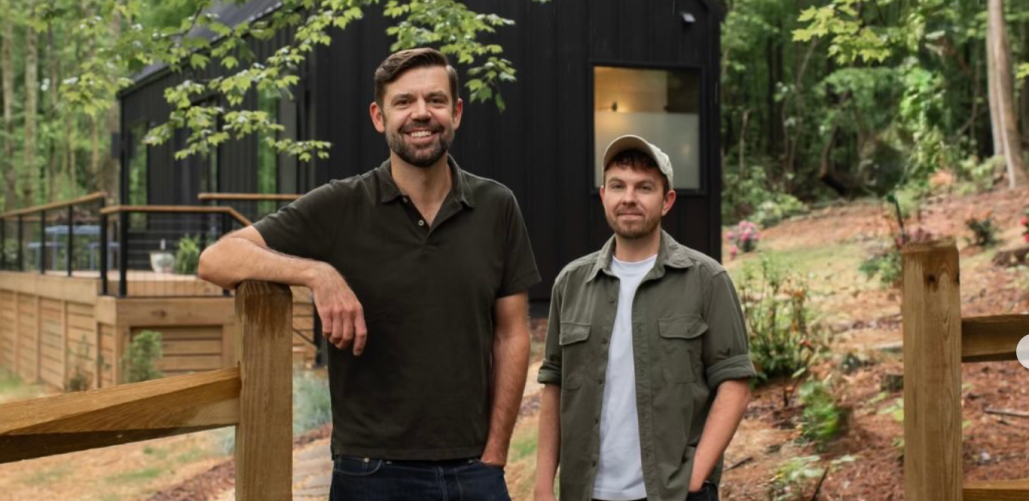

There’s a moment when you arrive at Atlas where everything slows down.
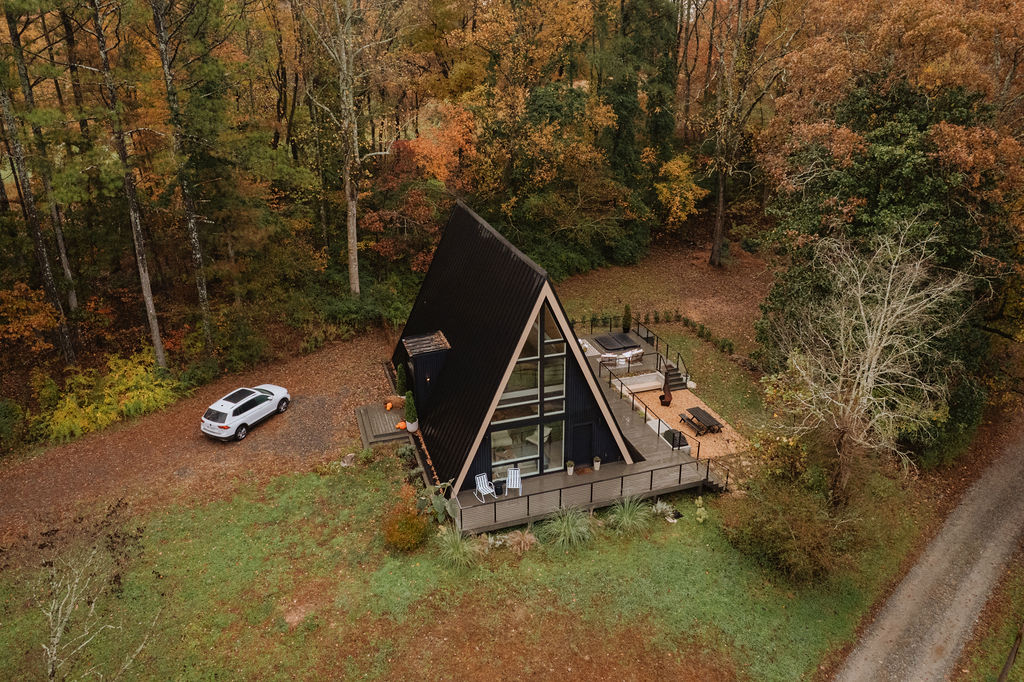
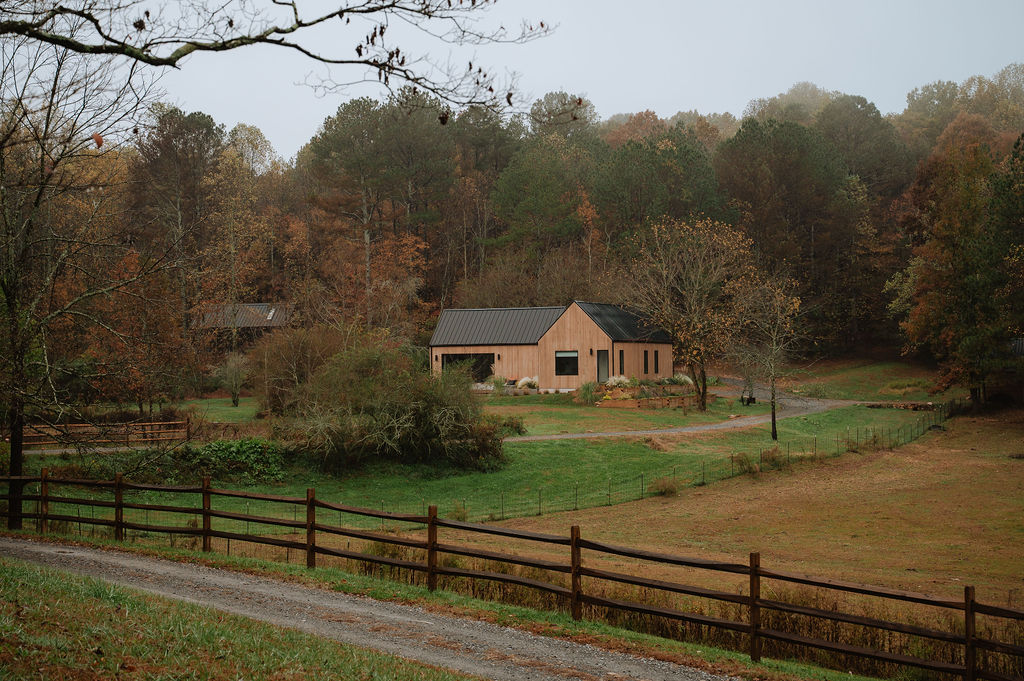
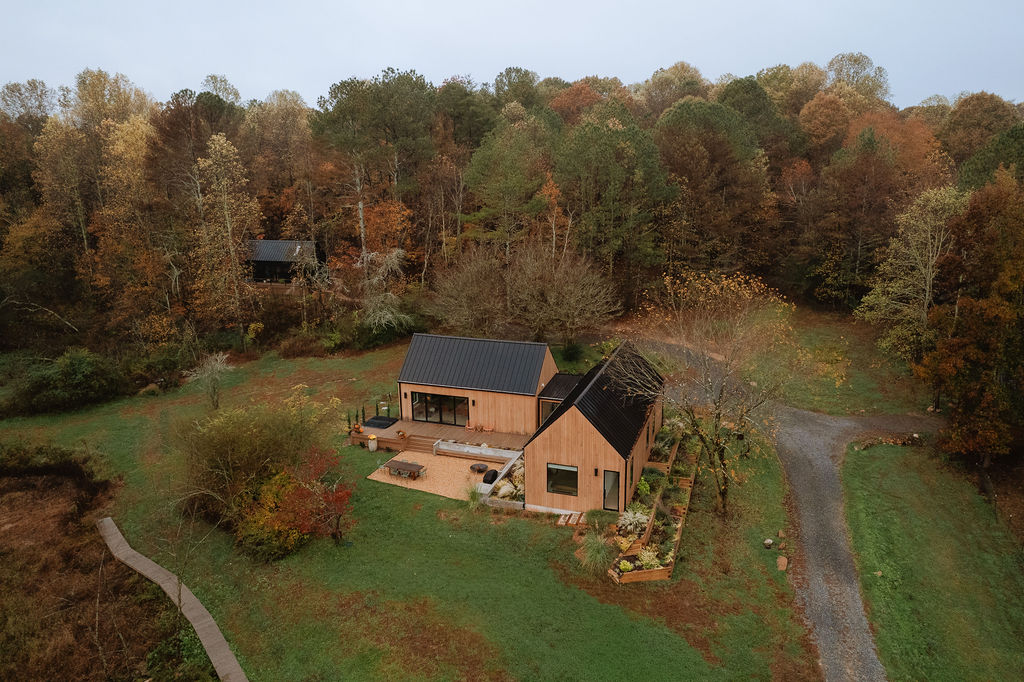
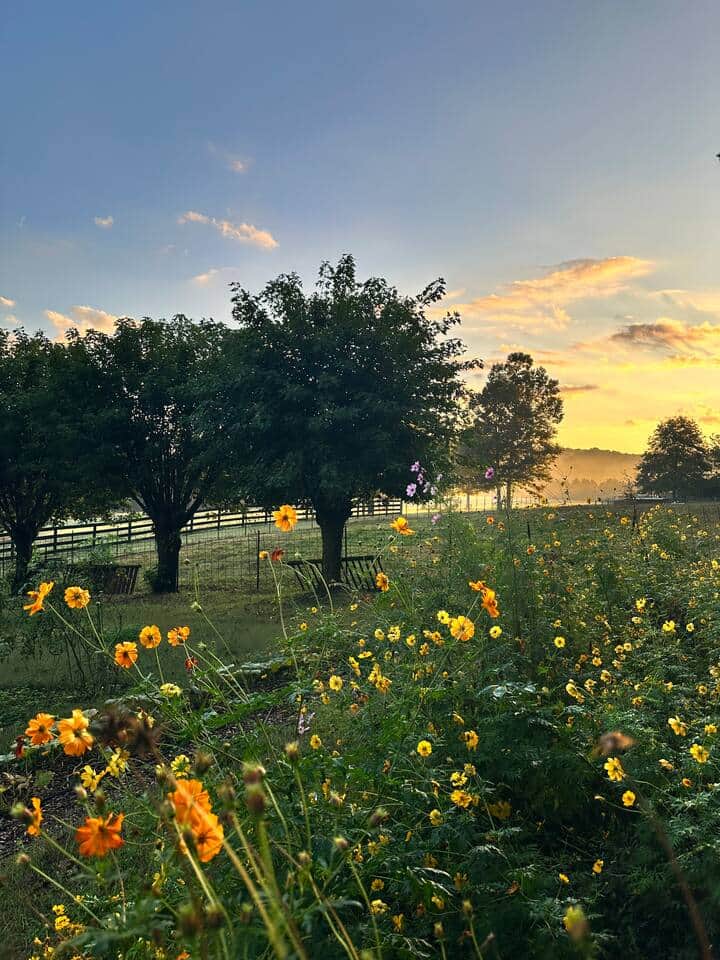
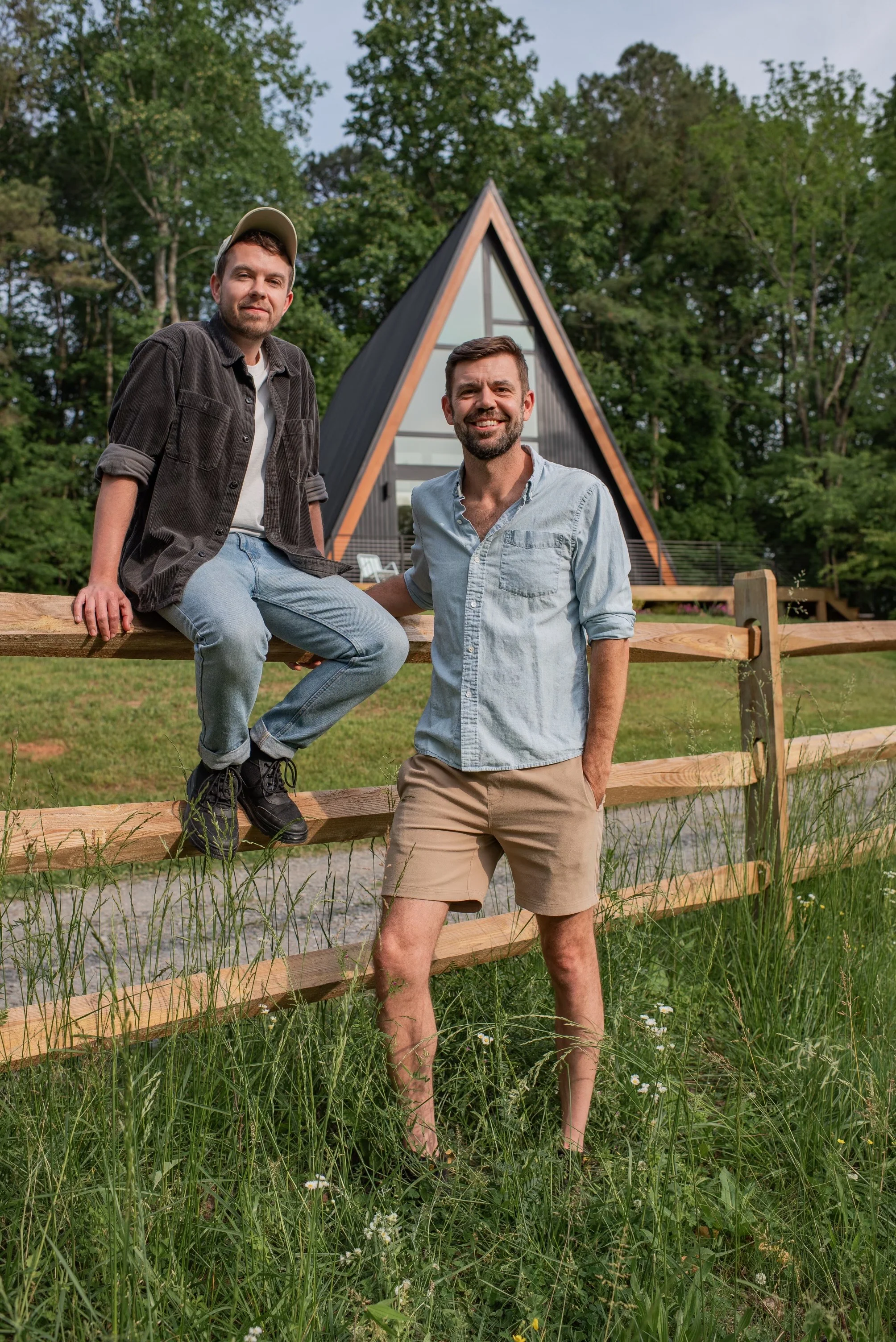
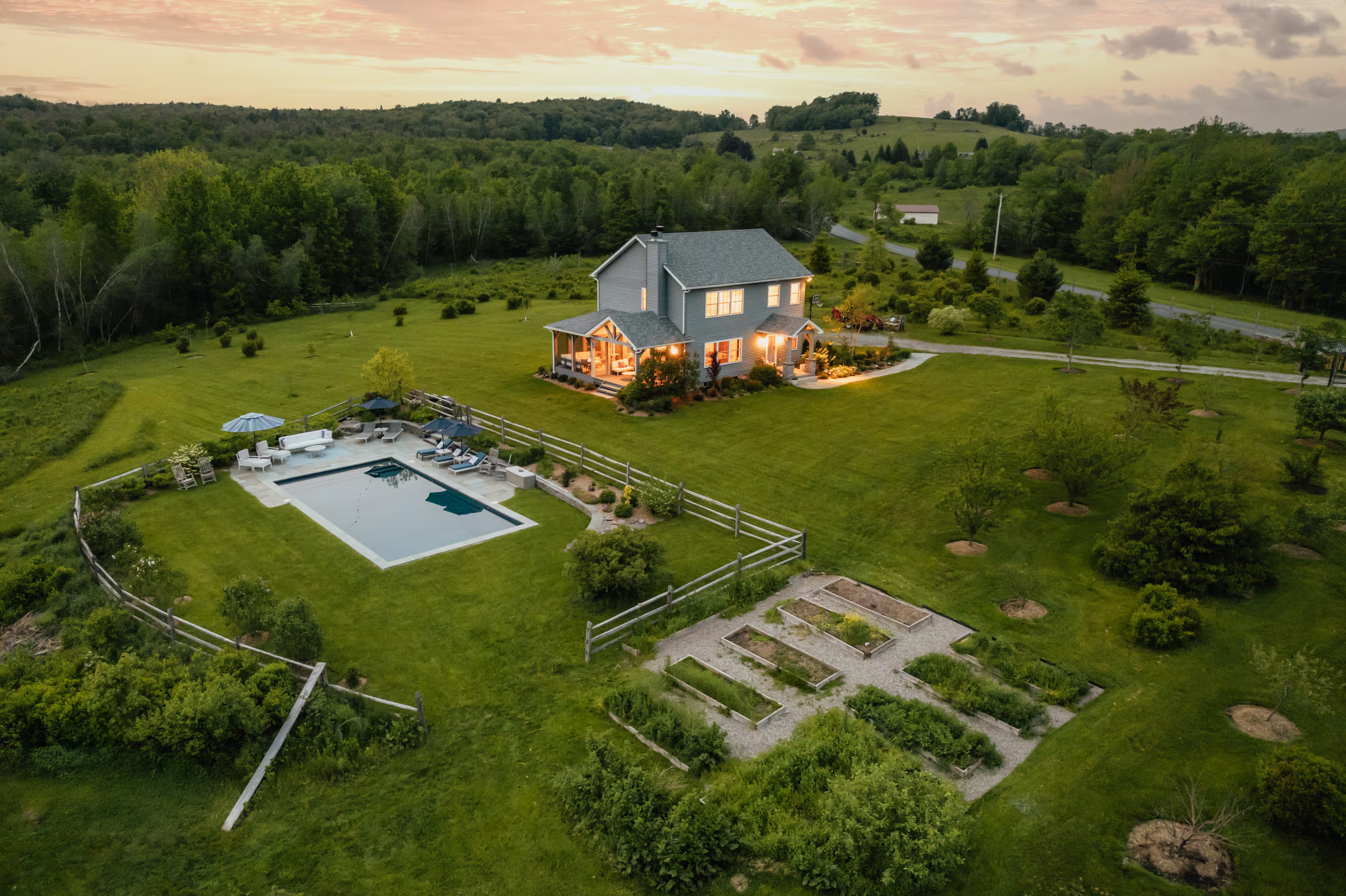
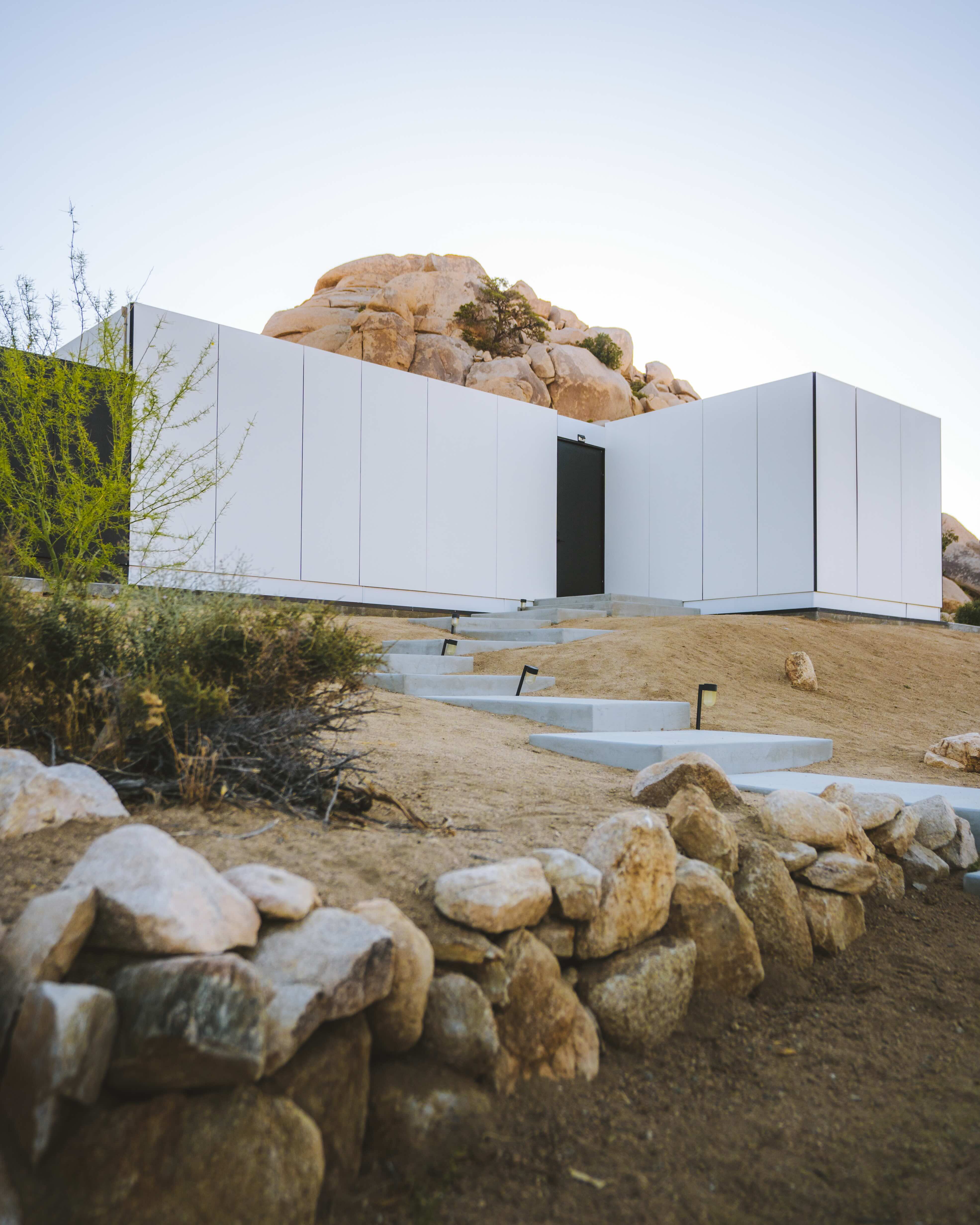
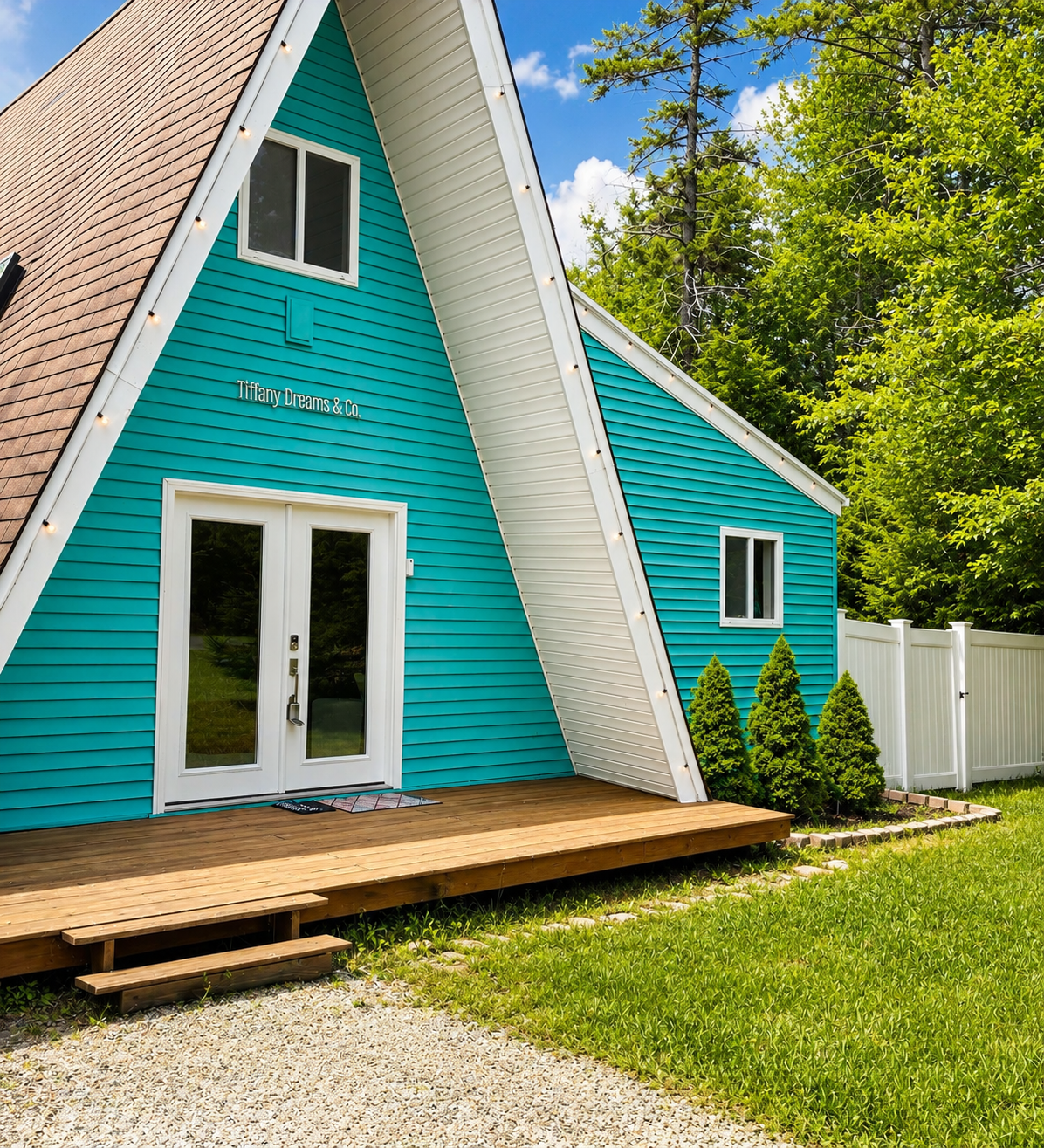
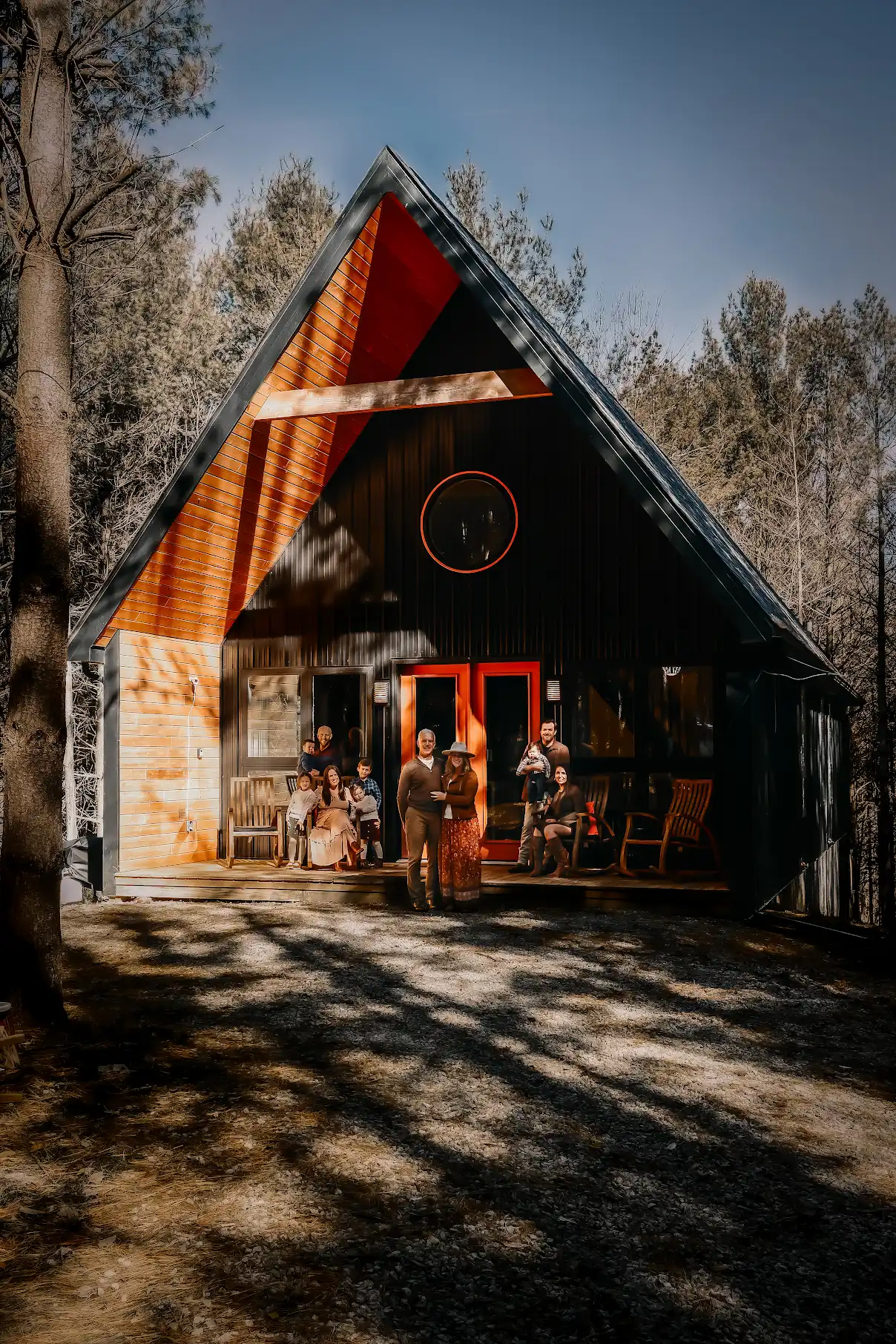
The road opens up to a working farm just outside of Atlanta—about an hour and a half away, but it feels much further. Three distinct structures sit across the land: an A-frame rising sharply from the grass, a barn house near the water, and a smaller cabin tucked into the trees.
What immediately stands out is not just the setting, but how intentionally each structure is placed within it. Nothing feels excessive or ornamental. Everything is shaped by restraint, proportion, and light.
“We’re sort of more than just a place to stay.”
Atlas doesn’t behave like a single rental. It’s a place designed around how people actually want to spend time—together, but not on top of each other. The kind of stay that naturally aligns with what Locèlle is building: thoughtful homes, discovered with intention, and booked directly.
From Netflix to the Farm
Atlas didn't begin in Georgia. It started in cities like New York, Los Angeles, and Sydney, where Ben Cooper and Ted Donath built careers in marketing and communications, including time at Netflix.
The original idea was to build something like this out west. A few cabins, likely in California. But a series of life shifts—moving back to family land, the pandemic, and a desire to build something more tangible—redirected everything.
"We decided to move to the farm… we had this idea of doing something like Atlas."
What Inspired the Name Atlas
The name Atlas came early in the process and stayed throughout.
It was inspired by a shared love of travel, but also by form and structure. A name that feels strong, simple, and architectural. One that sits at the top of any list, but also echoes the geometry of the A-frame itself.
Even as other names were explored, Atlas kept resurfacing until it simply stuck.
Architecture, Light, and Intentional Simplicity
The design language at Atlas is defined by restraint.
Working from plans by Den Outdoors, Ben Cooper and Ted Donath designed the structures and spaces drawing inspiration from Scandinavian minimalism, Australian coastal homes, and modern rural architecture.
Across all three cabins, light becomes the primary material.
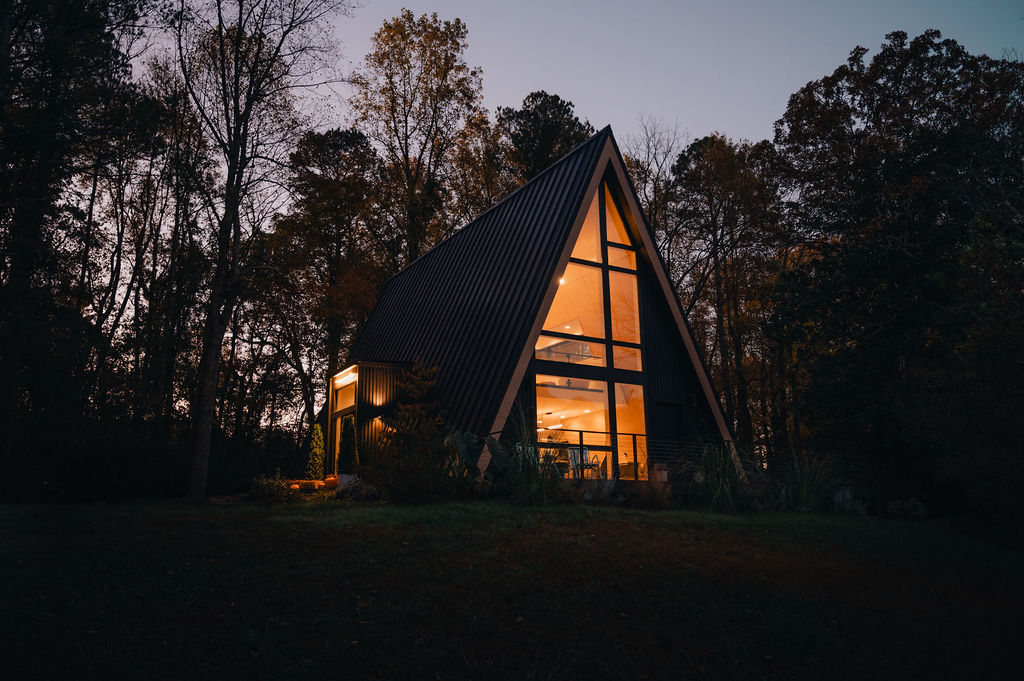
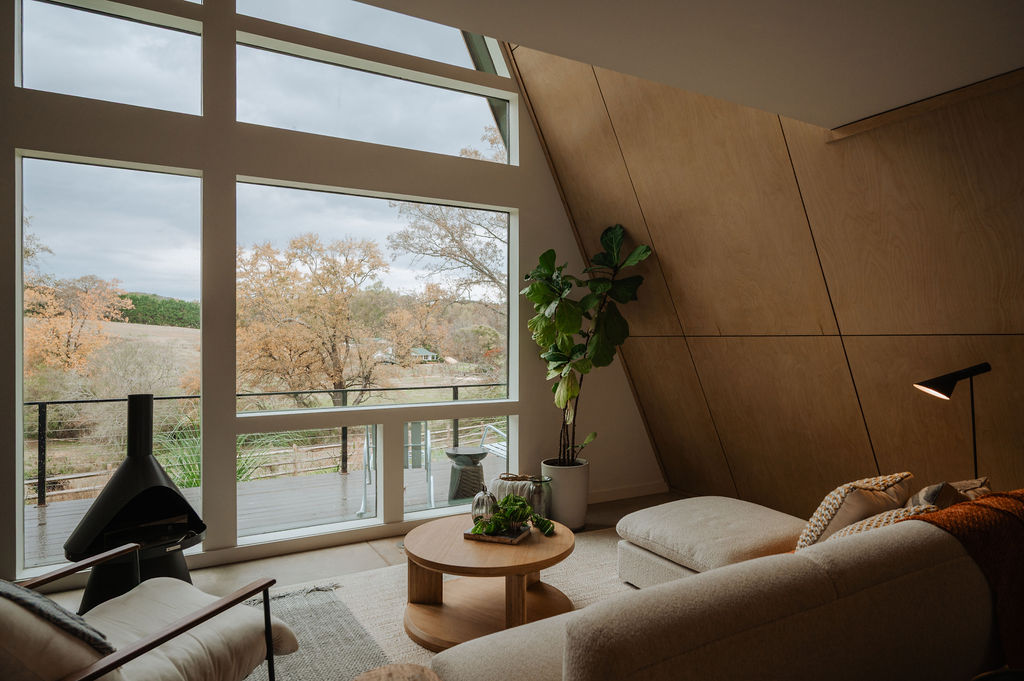
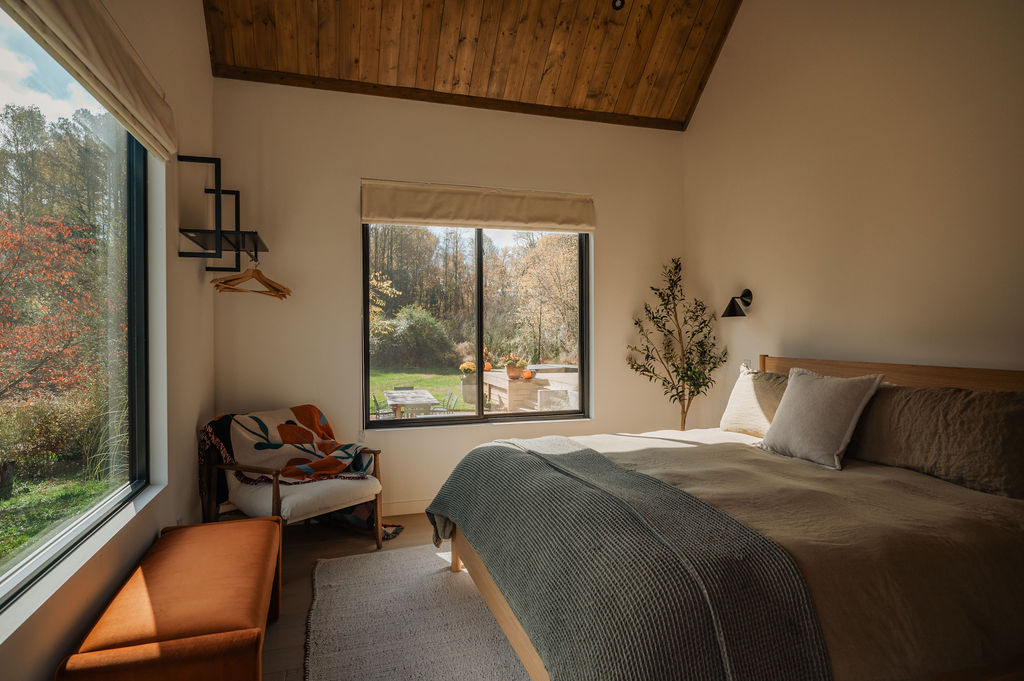
Large windows frame the landscape rather than compete with it. In the A-frame, vertical glazing pulls light upward through the structure. In the Pond House, long horizontal openings dissolve the boundary between inside and out. In the Hideaway, smaller framed cuts of light create intimacy and focus.
Everything was selected by the founders themselves—finishes, materials, tones, and fixtures—balancing aesthetic clarity with how the spaces would actually be experienced.
Storage is reduced. Bathrooms are expanded. Movement is open and fluid. These are not homes designed for permanence—they are designed for presence.
The A-Frame
The A-frame was the first cabin to launch, and it immediately set the tone.
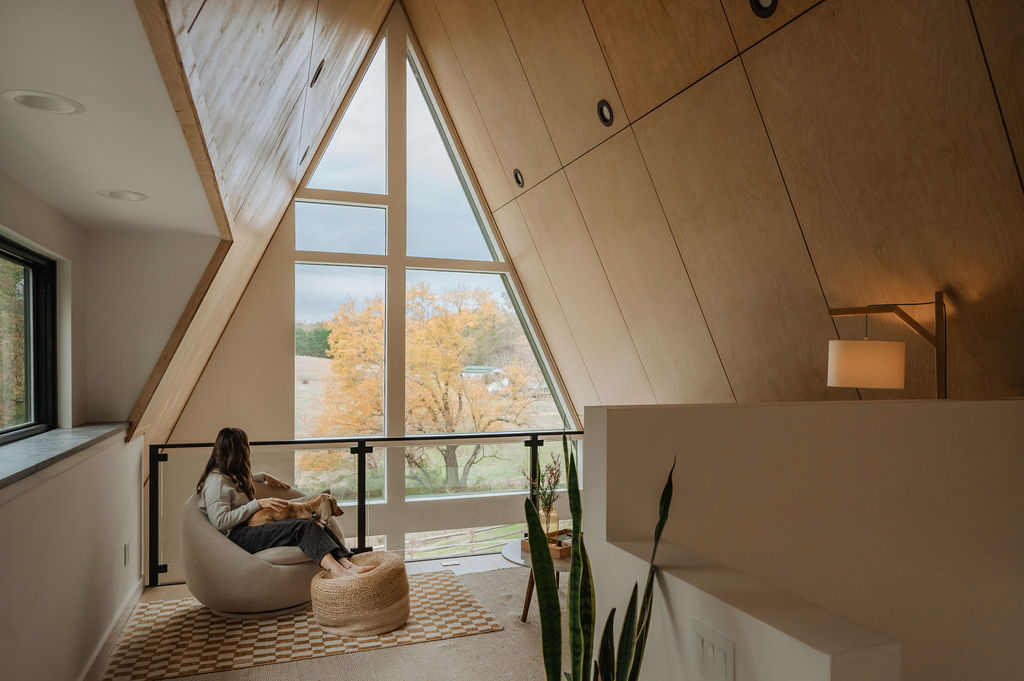
Its structure is simple but powerful—steep lines, symmetry, and volume that naturally draws the eye upward. Inside, natural light shifts throughout the day, changing the mood of the space without any intervention.
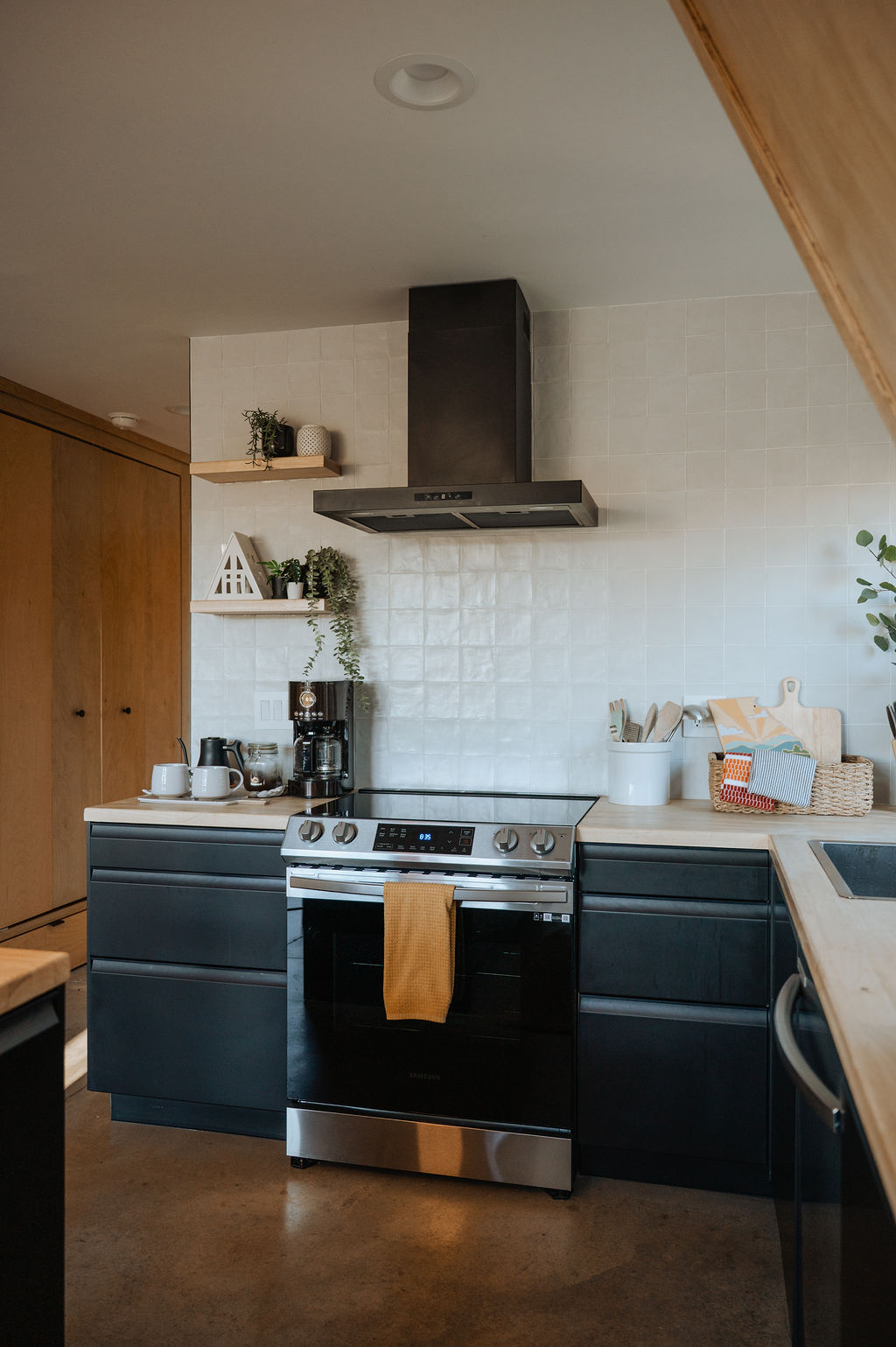
Warm timber finishes soften the geometry, while modern fixtures keep it grounded in a contemporary register.
The result is a cabin that feels both iconic and restrained.
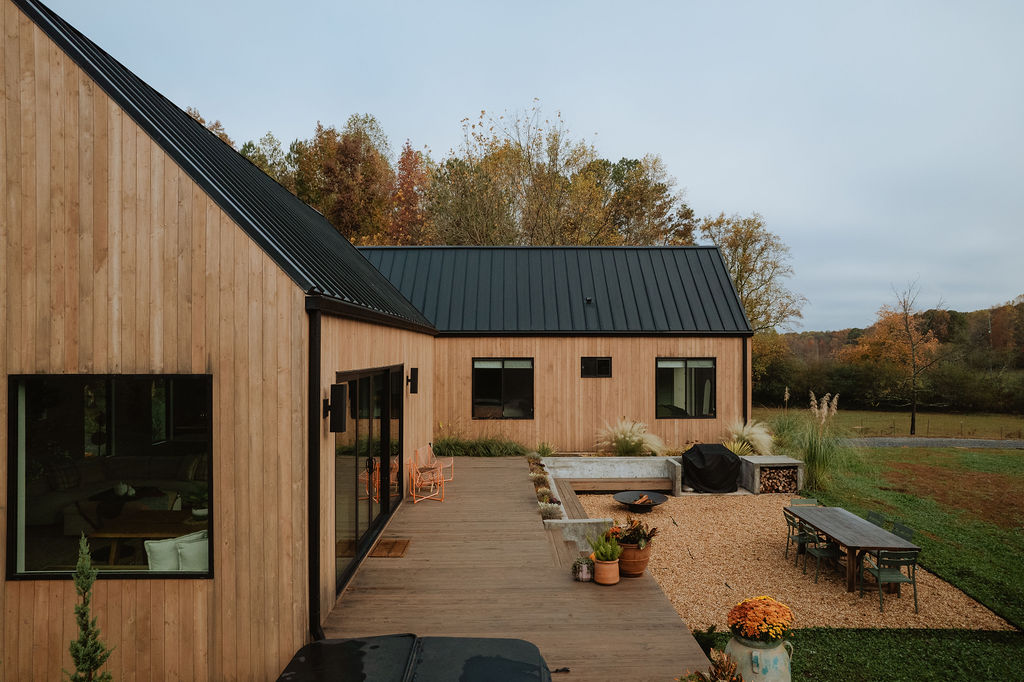
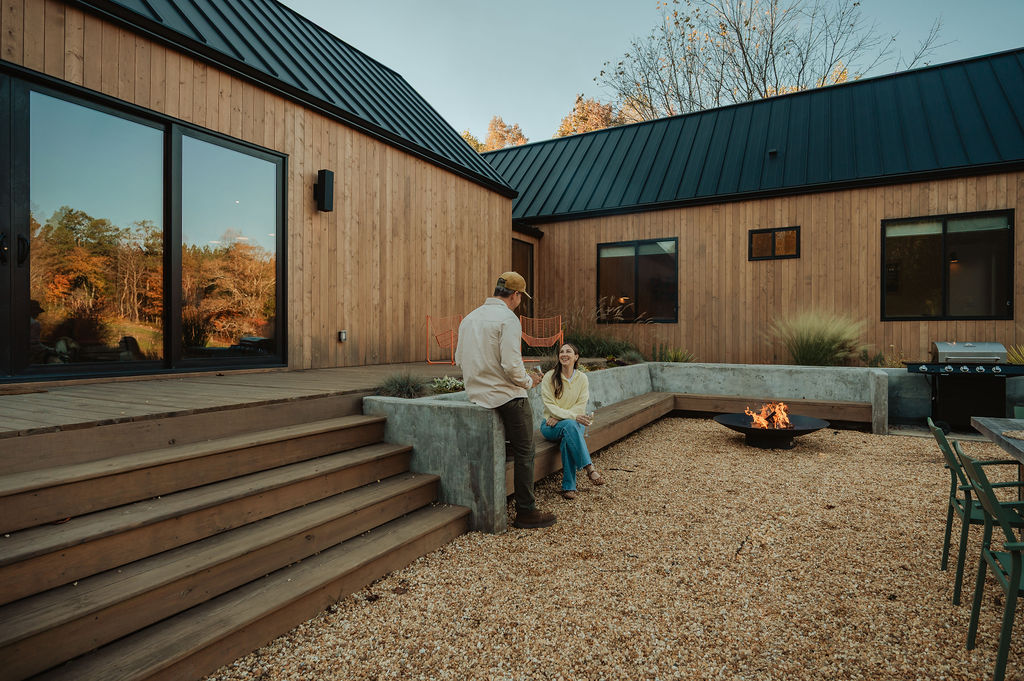
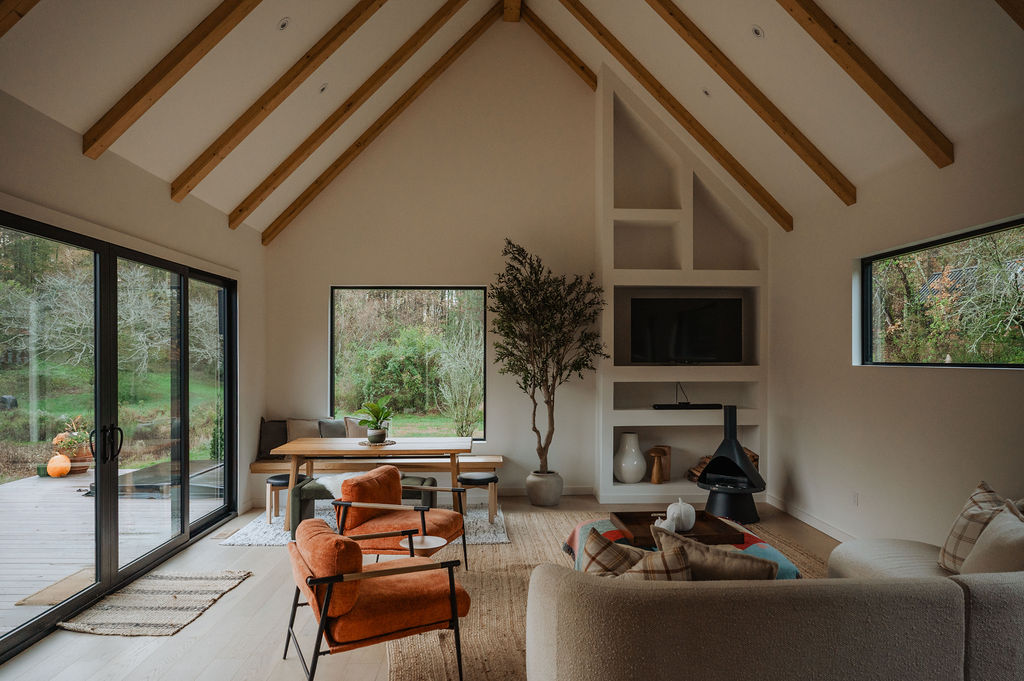
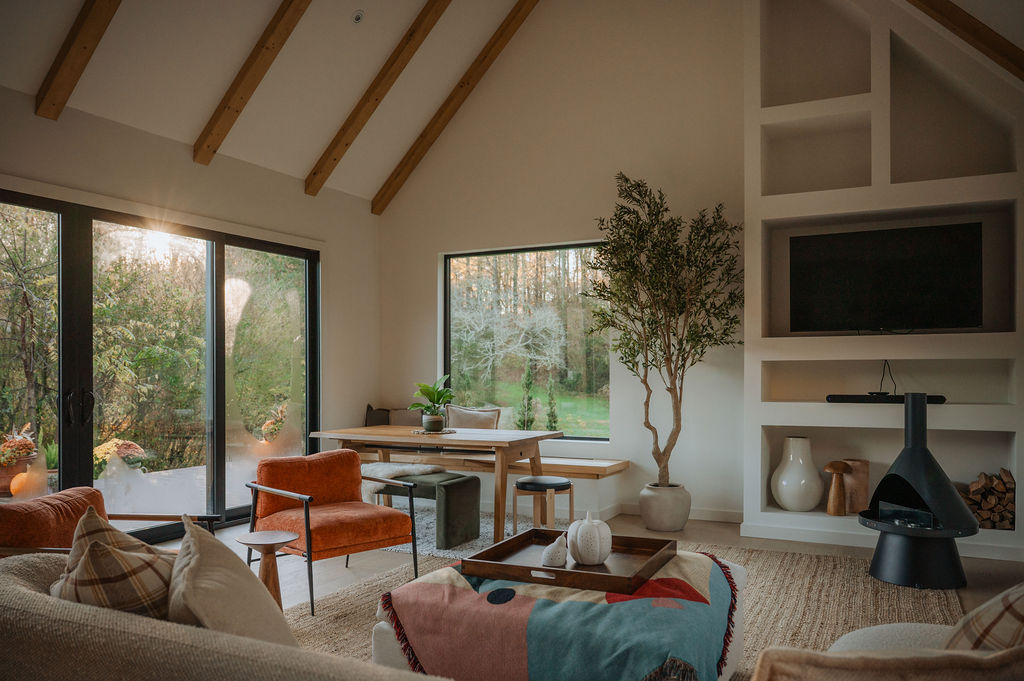
The Pond House
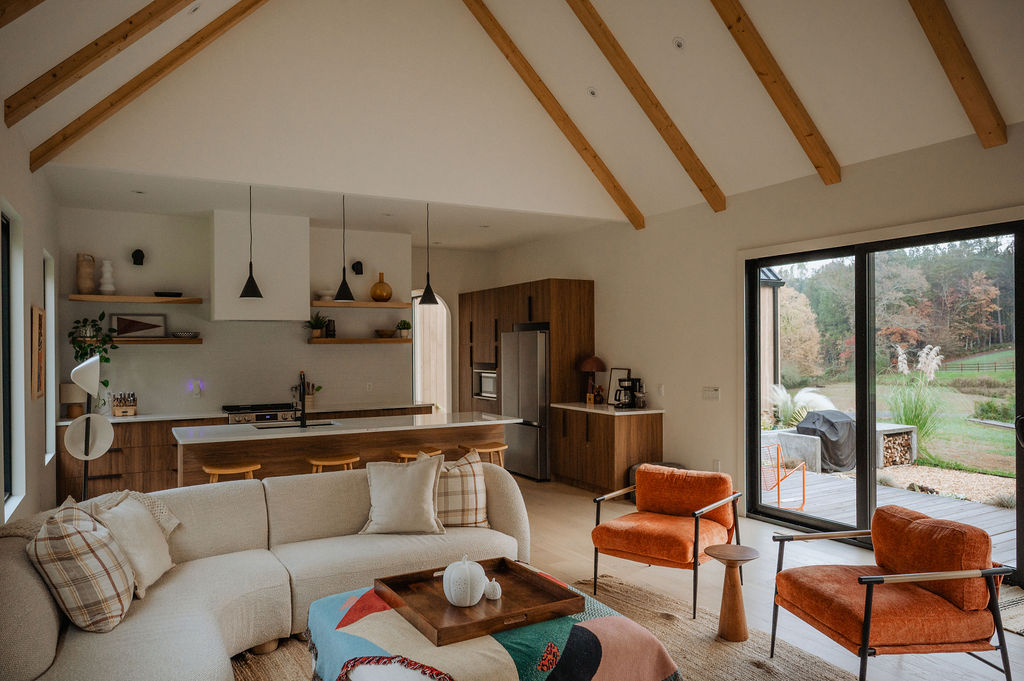
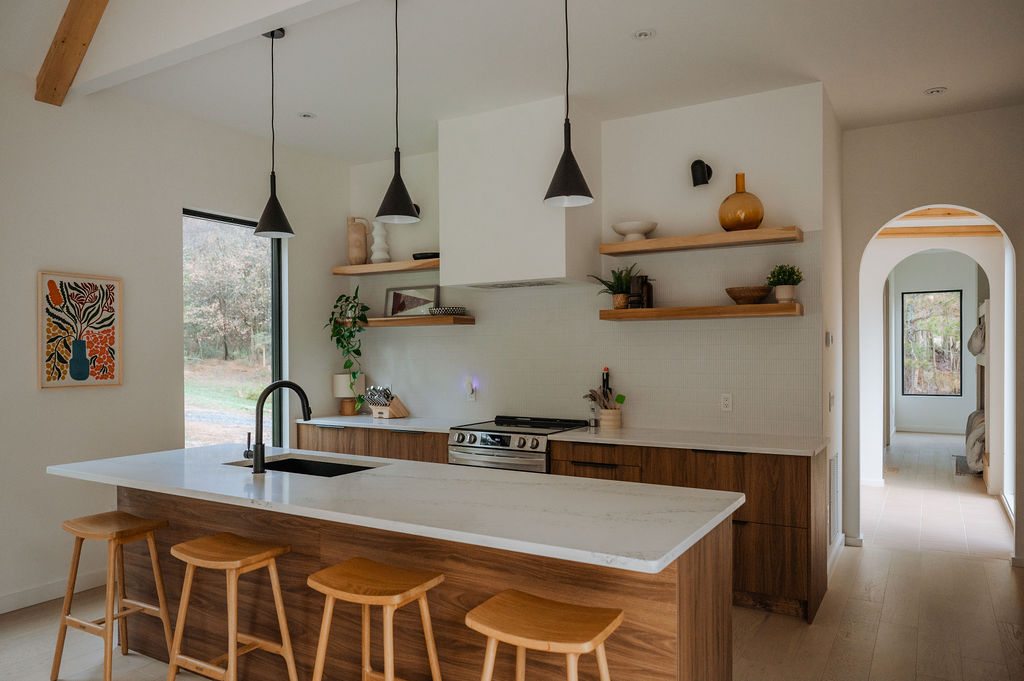
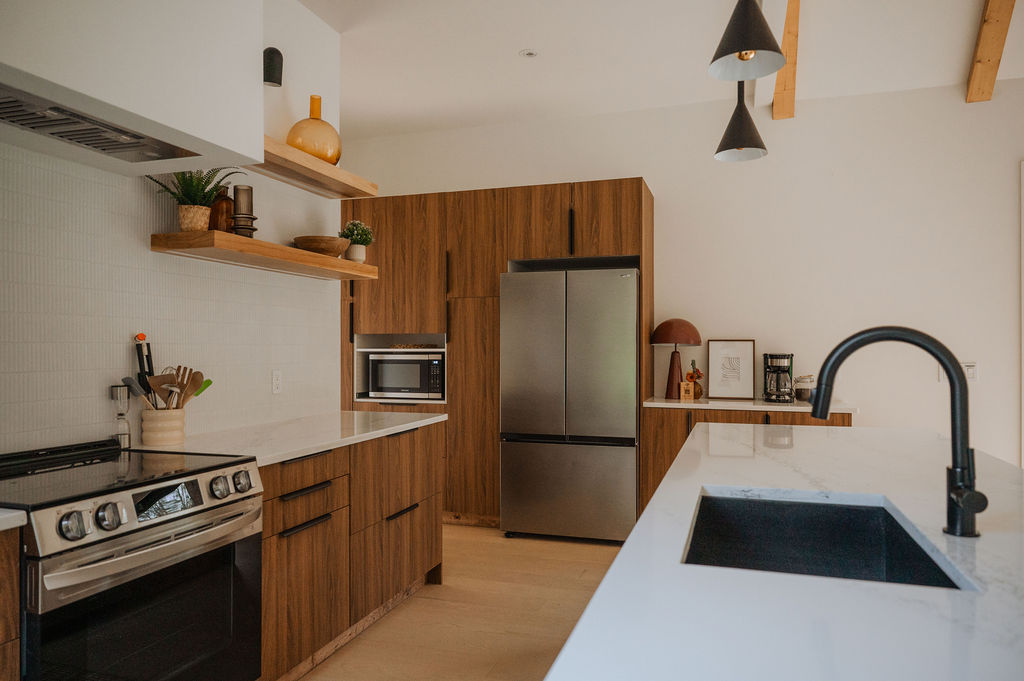
The Pond House expands Atlas into a shared experience.
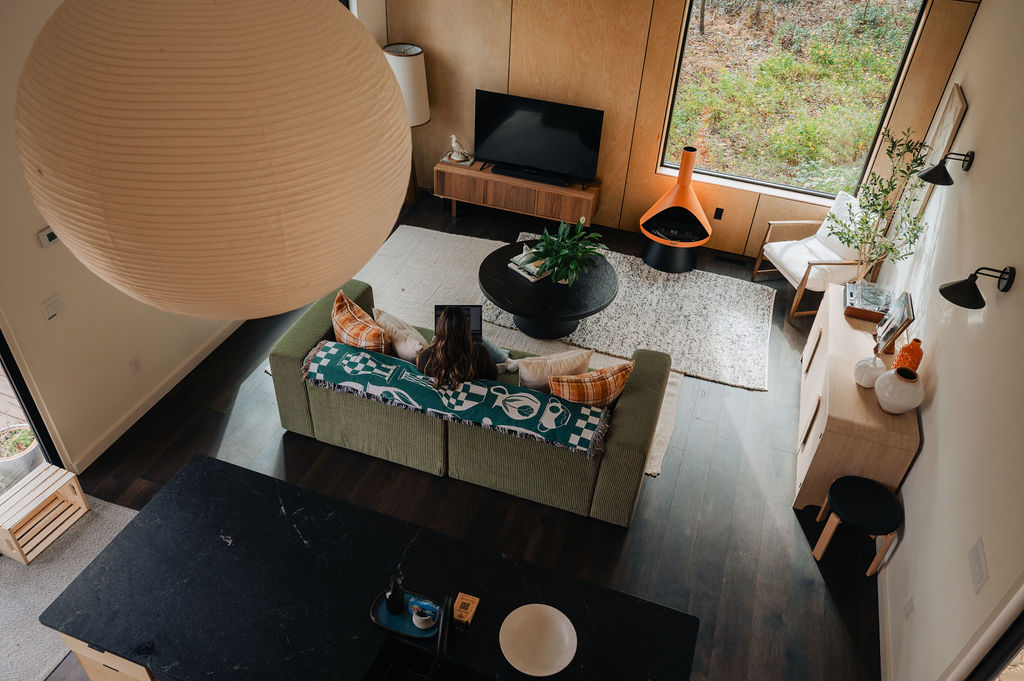
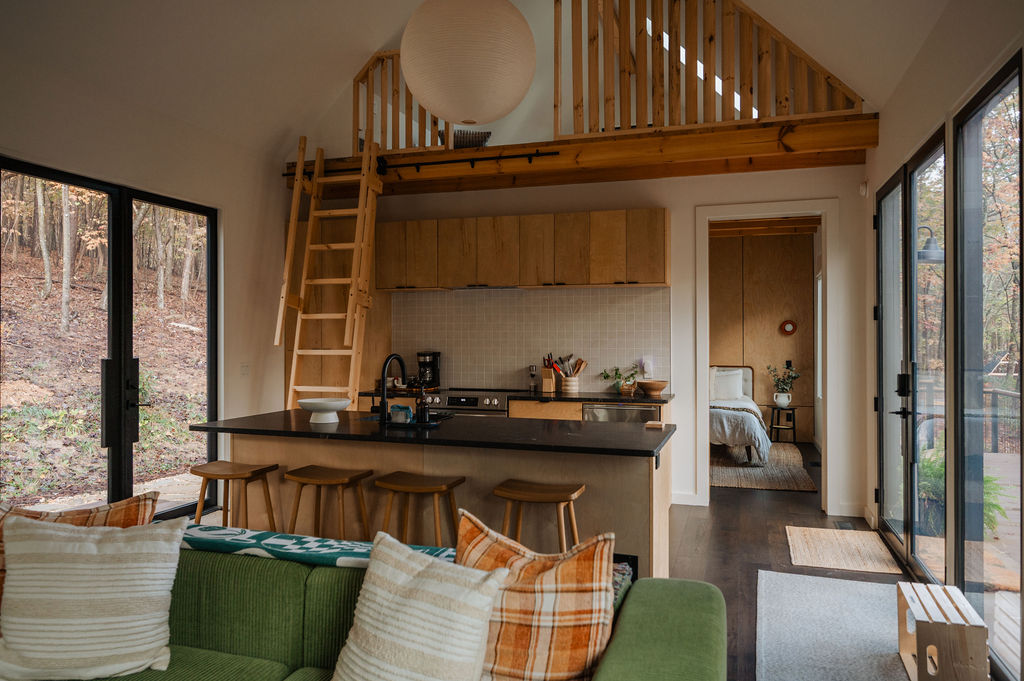
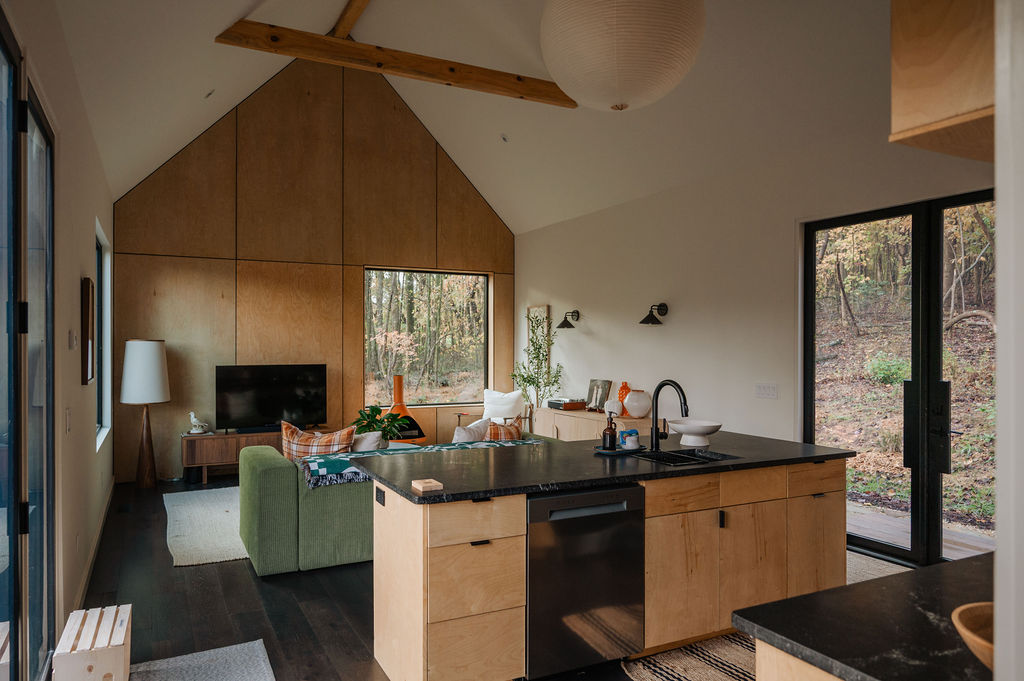
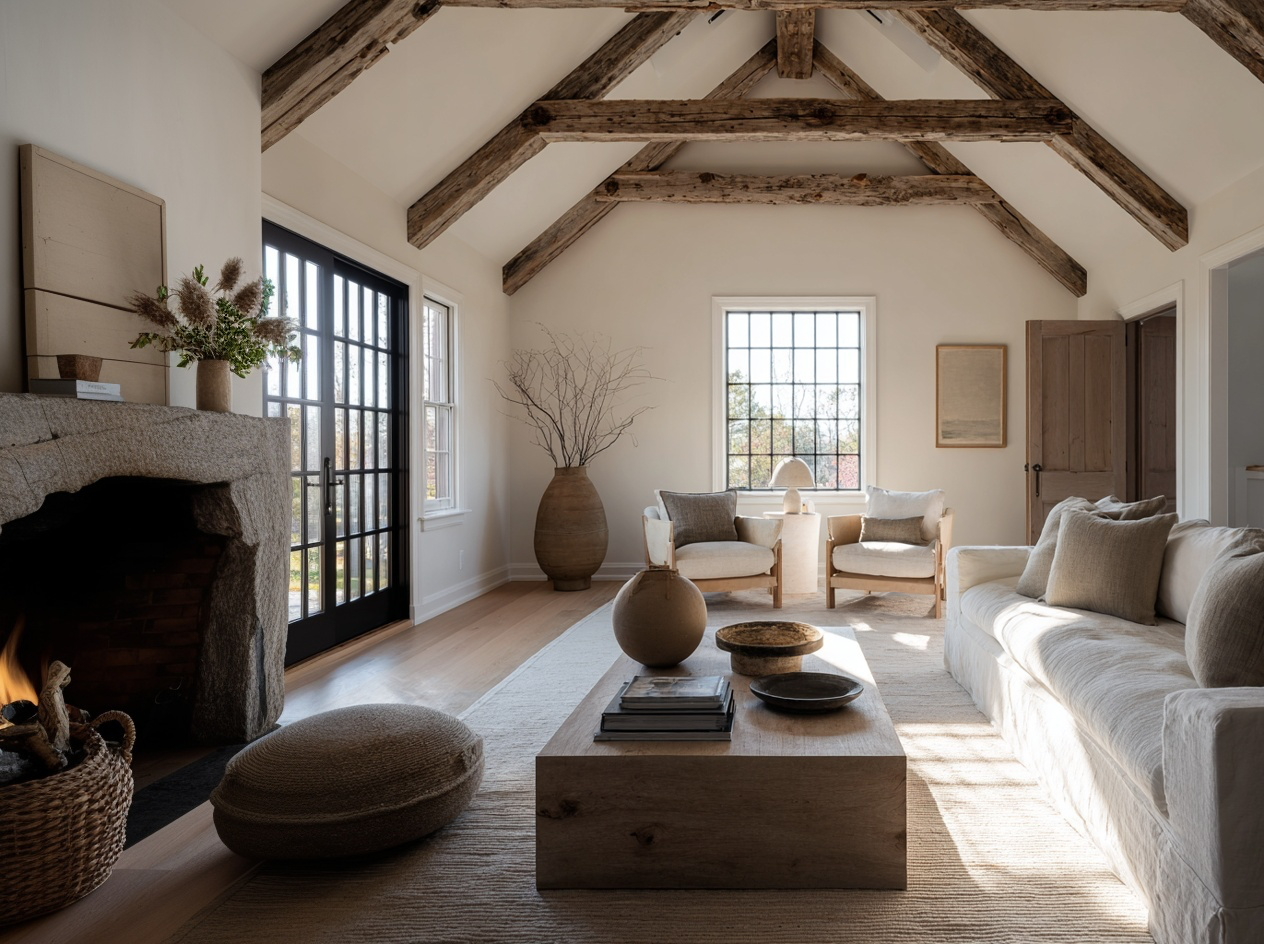
Its L-shaped layout creates a natural separation between social and private zones, making it ideal for families or groups traveling together. Vaulted ceilings amplify the sense of space, while large windows pull the surrounding landscape deep into the interior.
The material palette becomes lighter here—subtle Mediterranean influence, soft stone textures, and warm neutral tones that reflect daylight throughout the day.
It becomes the social anchor of the property.
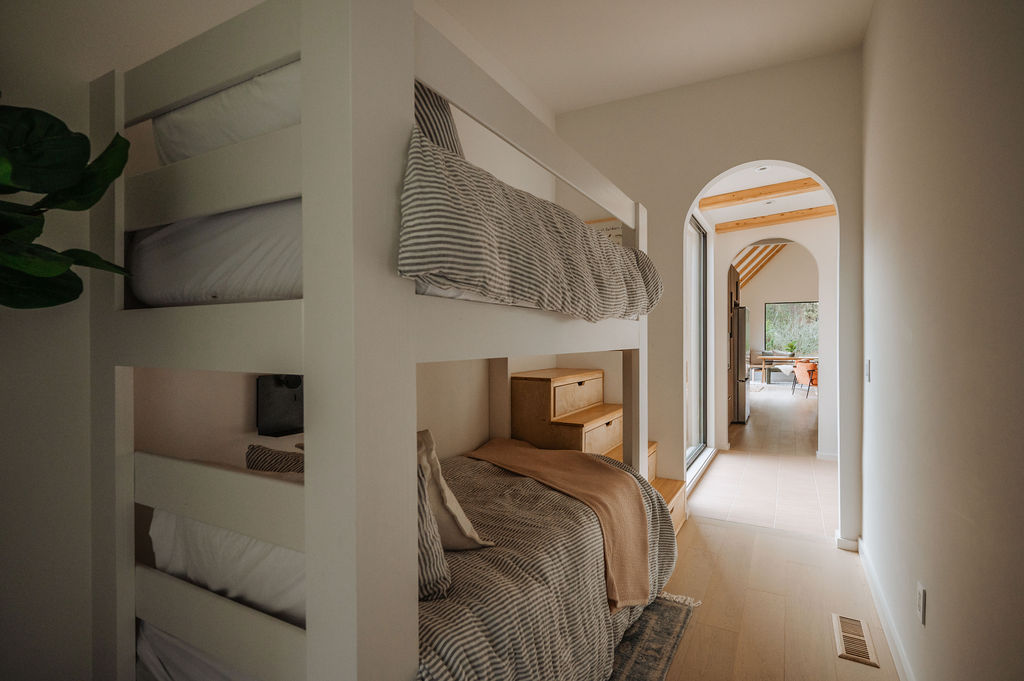
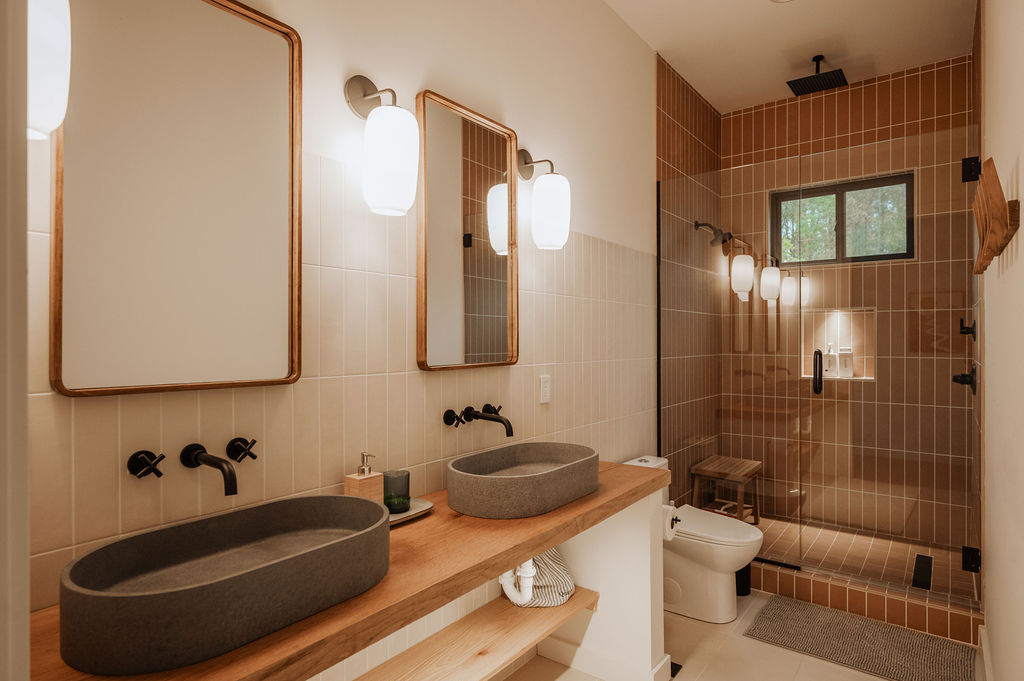
The Hideaway
The Hideaway is the most intimate expression of Atlas.
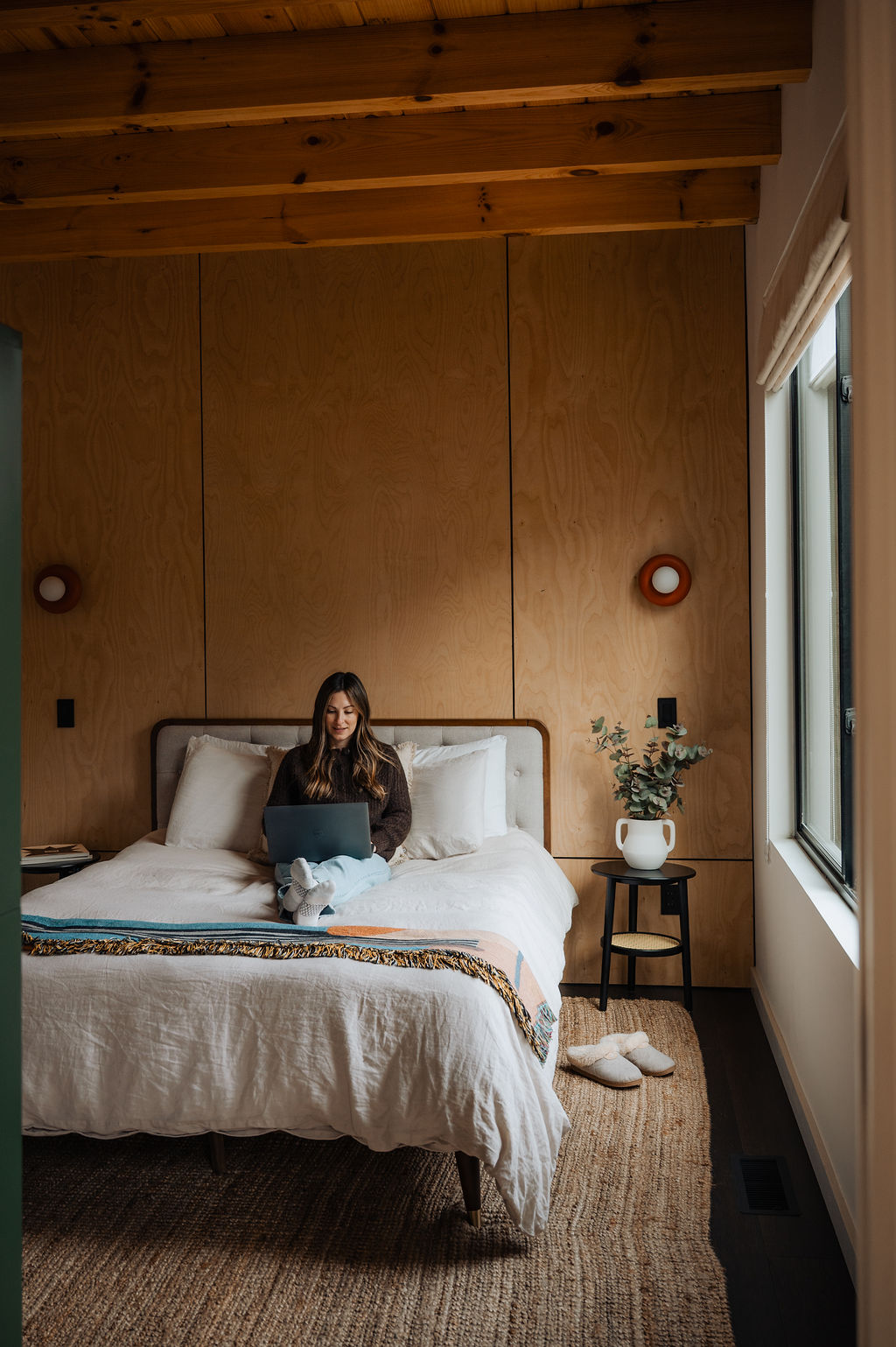
Set deeper into the trees, it reduces scale and increases focus. Materials darken slightly, creating contrast with the other cabins, while skylights and framed openings control how light enters the space.
A lofted nook sits beneath the roofline, designed for rest and quiet. Outside, a barrel sauna extends the experience into the landscape.
It is the most withdrawn, reflective version of the Atlas experience.
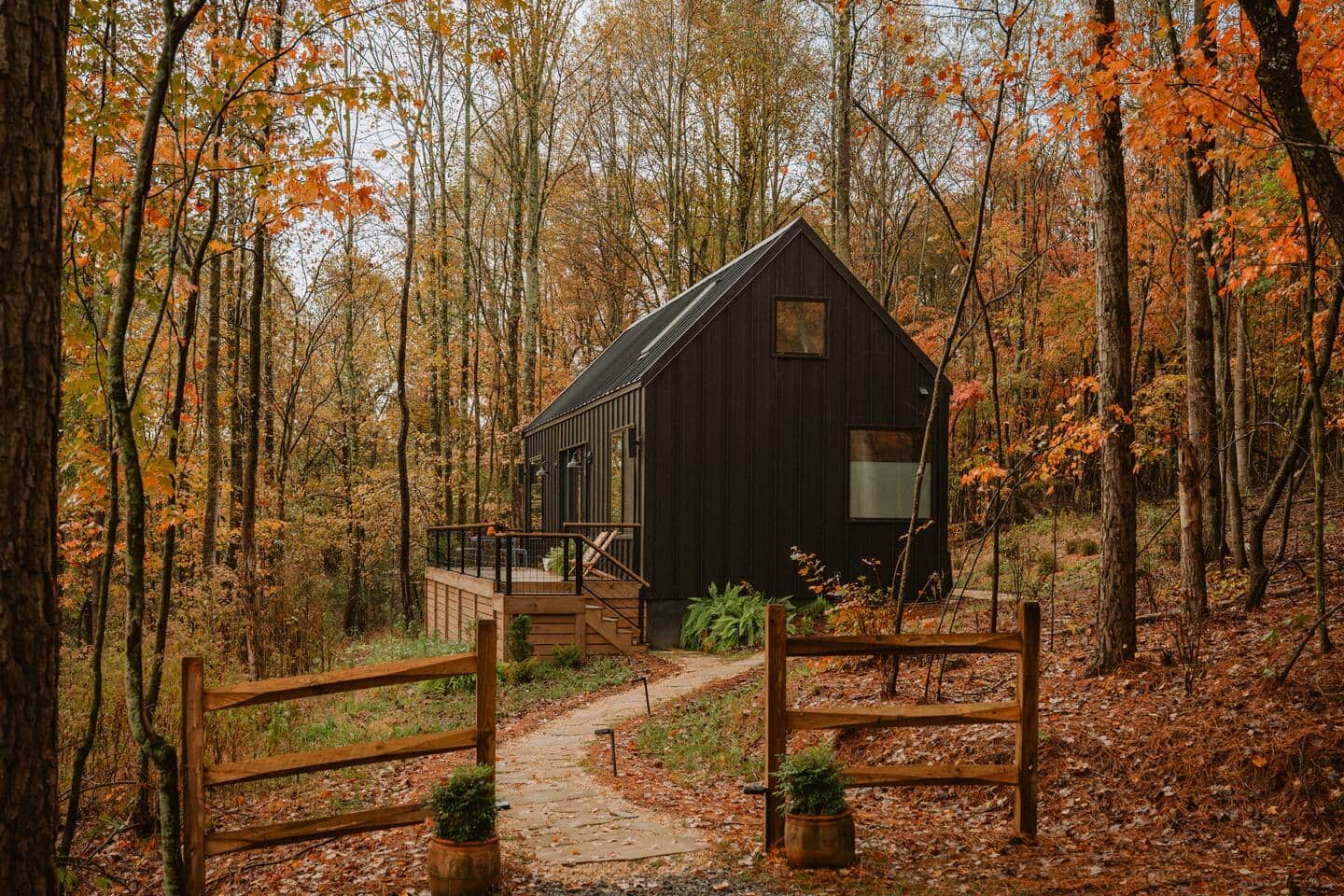
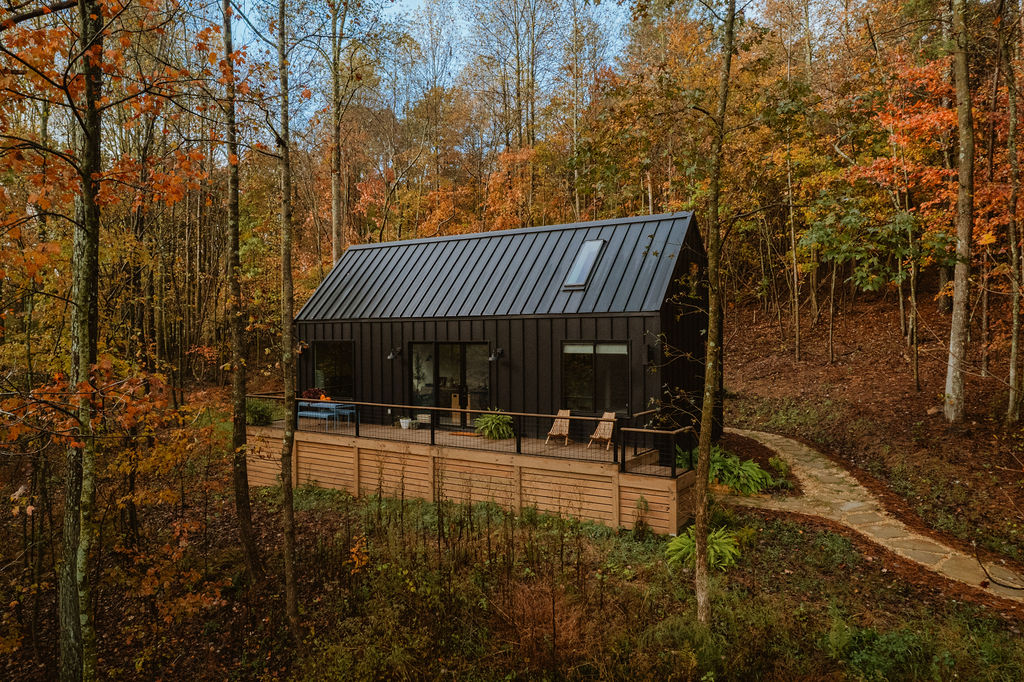


Life on the Farm
Atlas extends beyond architecture.
It is a working farm, where alpacas, goats, chickens, ducks, and other animals shape the daily rhythm of the land. Guests move through this environment as part of the stay rather than apart from it.
For many visitors, especially those coming from cities, this becomes one of the most grounding parts of the experience—simple, unstructured, and present.

Designed for How People Actually Travel
Atlas is ultimately about flexibility.
The cabins are independent but closely positioned, allowing groups to stay together without sacrificing privacy. The Pond House becomes the central gathering point, while the A-frame and Hideaway offer retreat when needed.
It mirrors how people actually travel now—shared experiences with space to step away.
Moving Beyond Airbnb
Atlas began on Airbnb, using the A-frame as an early test of demand and a way to fund expansion.
It worked. The design stood out immediately in a saturated market. The focus is now shifting toward direct bookings, supported by a standalone site and longer-term brand control.
This is where Locèlle fits naturally—bridging discovery and direct connection between guests and places like Atlas.
What’s Next for Atlas
Atlas continues to evolve, but intentionally.
There is growing interest in small weddings and retreats—uses that align with the scale of the property rather than overwhelm it. Future plans include a dedicated event space and expanded hosting capabilities for wellness retreats, offsites, and creative gatherings.
The guiding principle remains the same: preserve what makes it feel like itself.
An Atlas for Modern Gatherings
Atlas reflects a broader shift in travel—away from volume and toward intention.
It is shaped by people who did not come from hospitality, but who understand experience deeply enough to build something quietly distinctive.
For couples, it offers stillness.
For families, space.
For groups, balance.
And for a growing number of travelers, it offers exactly what they were looking for without knowing it yet.
Watch the Story Behind Atlas
Watch Ben Cooper and Ted Donath share the story behind Atlas Farmstay, their move from Los Angeles to rural Georgia, and how they transformed a working farm into a collection of modern vacation homes designed around architecture, light, and slower living.
Photography by Matt Hildreth — learn more about Matt and his work on Locèlle here. Images also courtesy of Atlas Properties, Ted Donath, and Ben Cooper.
Own a home with a story of its own?
Locèlle features design-led homes shaped by the people who created them. If your home has character, a point of view, and a sense of place, we would love to hear about it.
Continue Exploring
- The Haven A-Frame: A Gingerbread Cabin at the Edge of Sky Valley, Georgia
- Ninety Minutes from Los Angeles, a World Away: Inside The Pine Mountain Club Treehouse
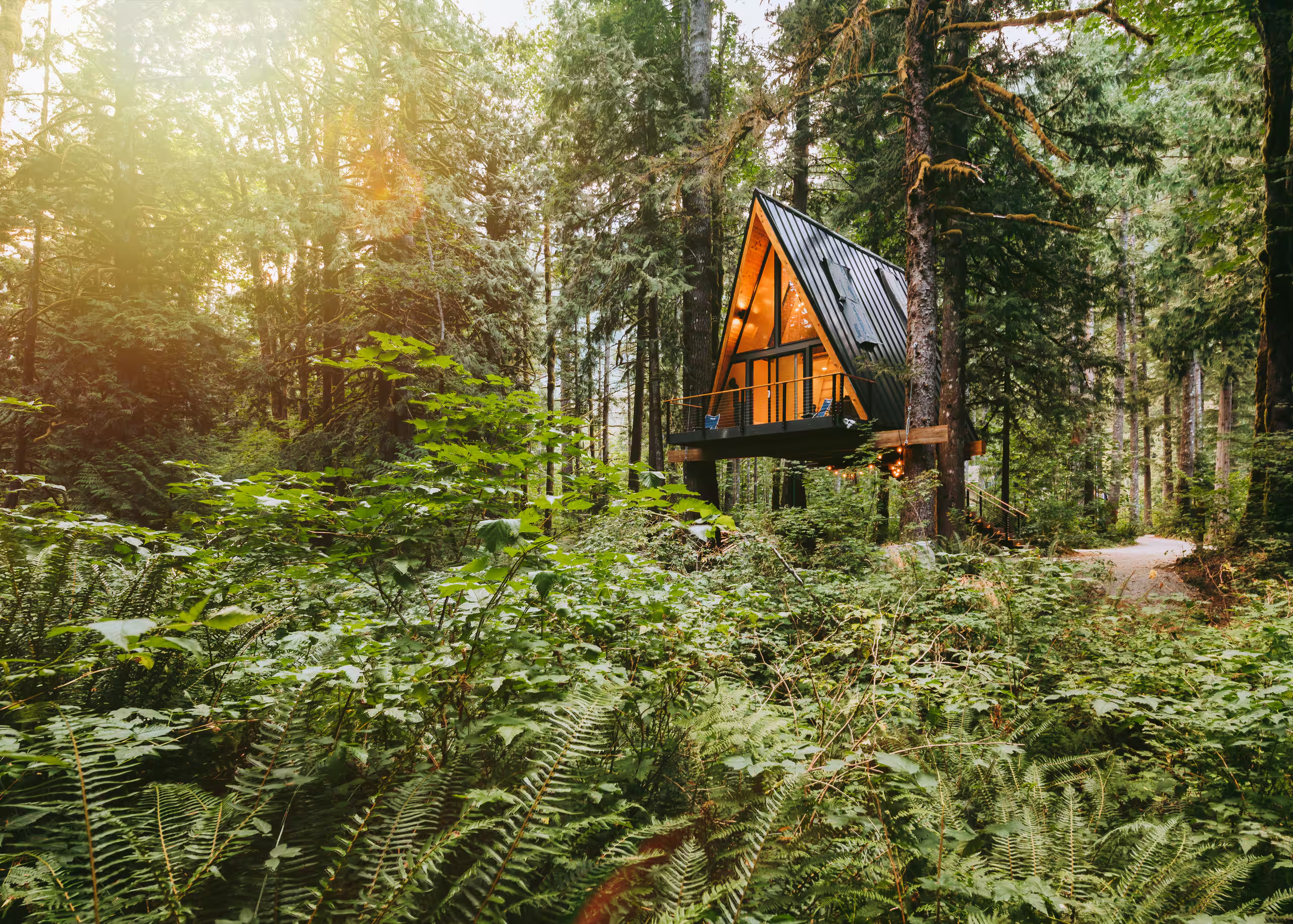
- A-Frame Cabin Rentals: The Complete Guide to Booking One Direct
- Converted Churches, Schoolhouses & Other Unexpected Rentals
- Treehouse Rentals You Can Book Without Airbnb Fees
- What Is Direct Booking? A Beginner's Guide



Discover homes worth traveling for
Join the Locèlle newsletter for design-led stays and off-market finds
Get on the listDiscover homes worth traveling for
Join the Locèlle newsletter for design-led stays and off-market finds
Get on the list